Four Summers to Get Inside: The Story of Grey Towers
The city mouse goes to the country
In the summer of 2022, I had just started dating my now-husband. I was the city mouse and he was the country mouse. Pennsylvania felt so far away, even though he was realistically only an hour and a half from my apartment. The wild world of online dating.
After a month of him making the trip into the city, it was my turn to visit his world. I took the New Jersey Transit train as far as it would go, and he picked me up and drove me the last 40 minutes into the Poconos. For all the weekends I'd spent escaping the city in a rental car, this was a corner of the East Coast I legitimately knew nothing about.
As one does when wooing someone, he spent that first visit (and many after it) showing me the best of the region. First stop: Milford, PA. The downtown reminds me of Gilmore Girls. It looks a little New England, a little quirky, and it's full of charm, character, and wonderfully zany people.
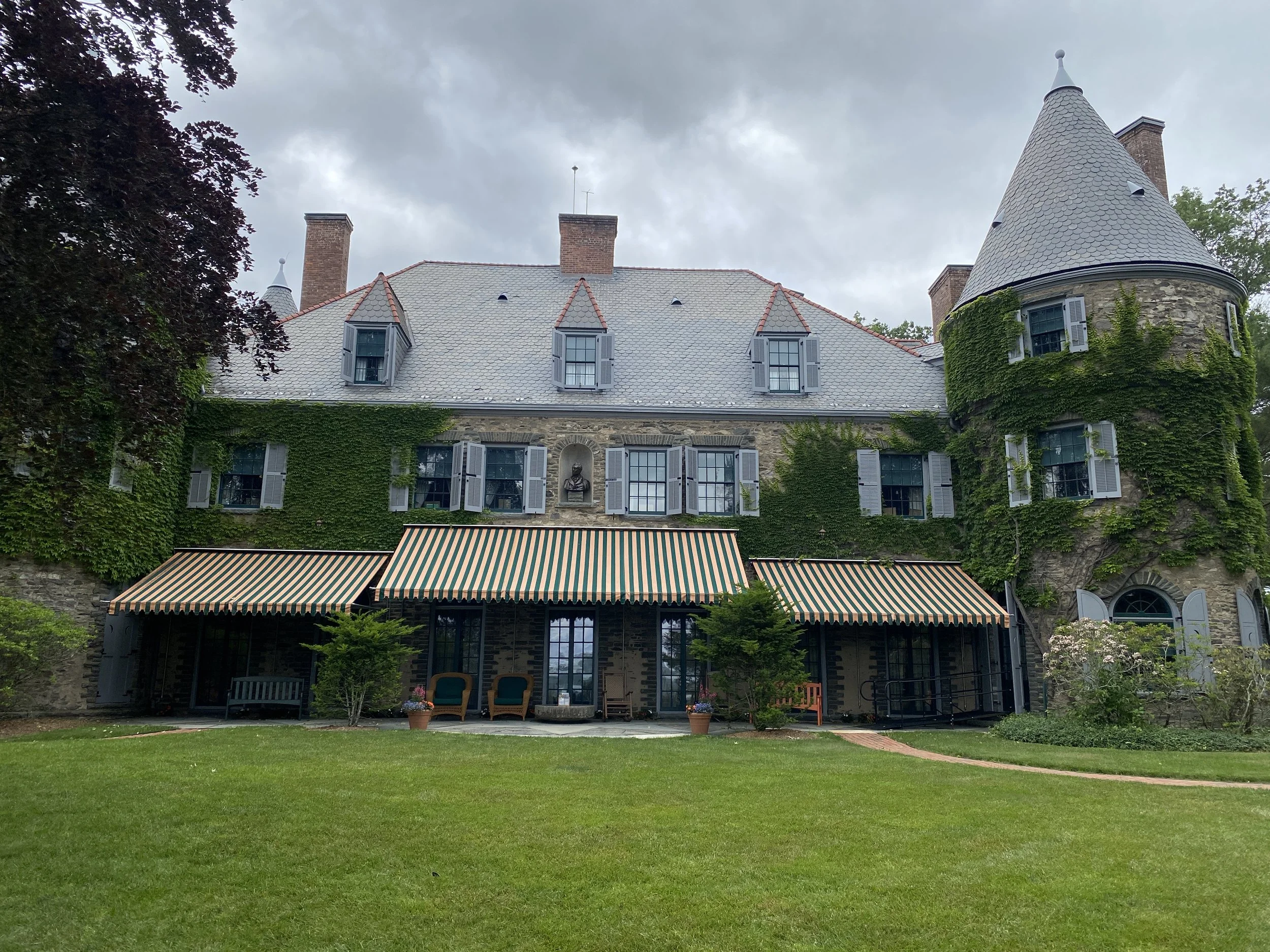
One of the first things we learned we had in common was a love of old houses and gardens. So on that very first visit, he took me to Grey Towers. It sits just outside downtown, a stone mansion with three turreted towers on top of a hill, surrounded by sprawling grounds. The house itself was closed that day, but we were free to wander the gardens and terraces. I didn't know a thing about its history. I just knew it was beautiful.
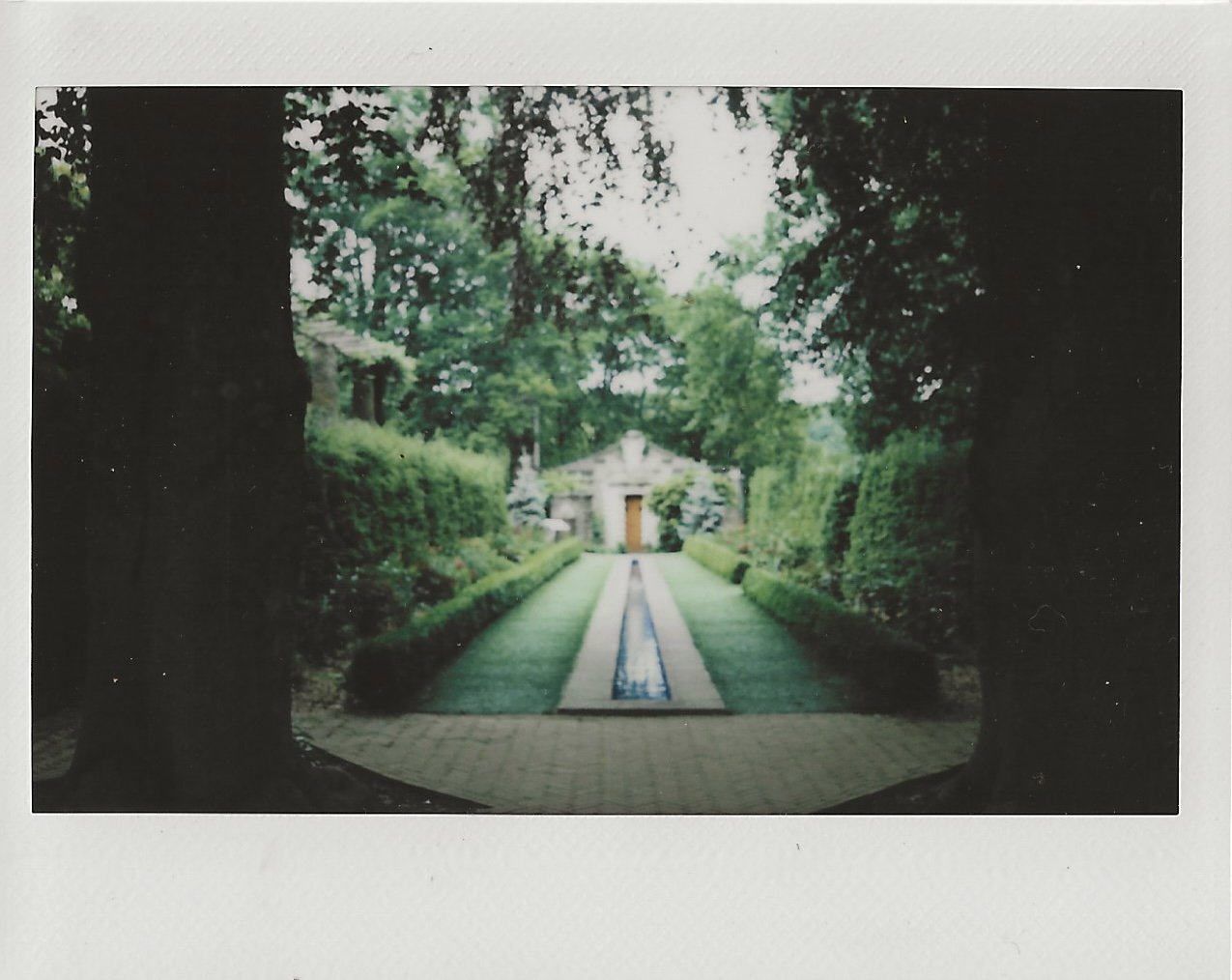
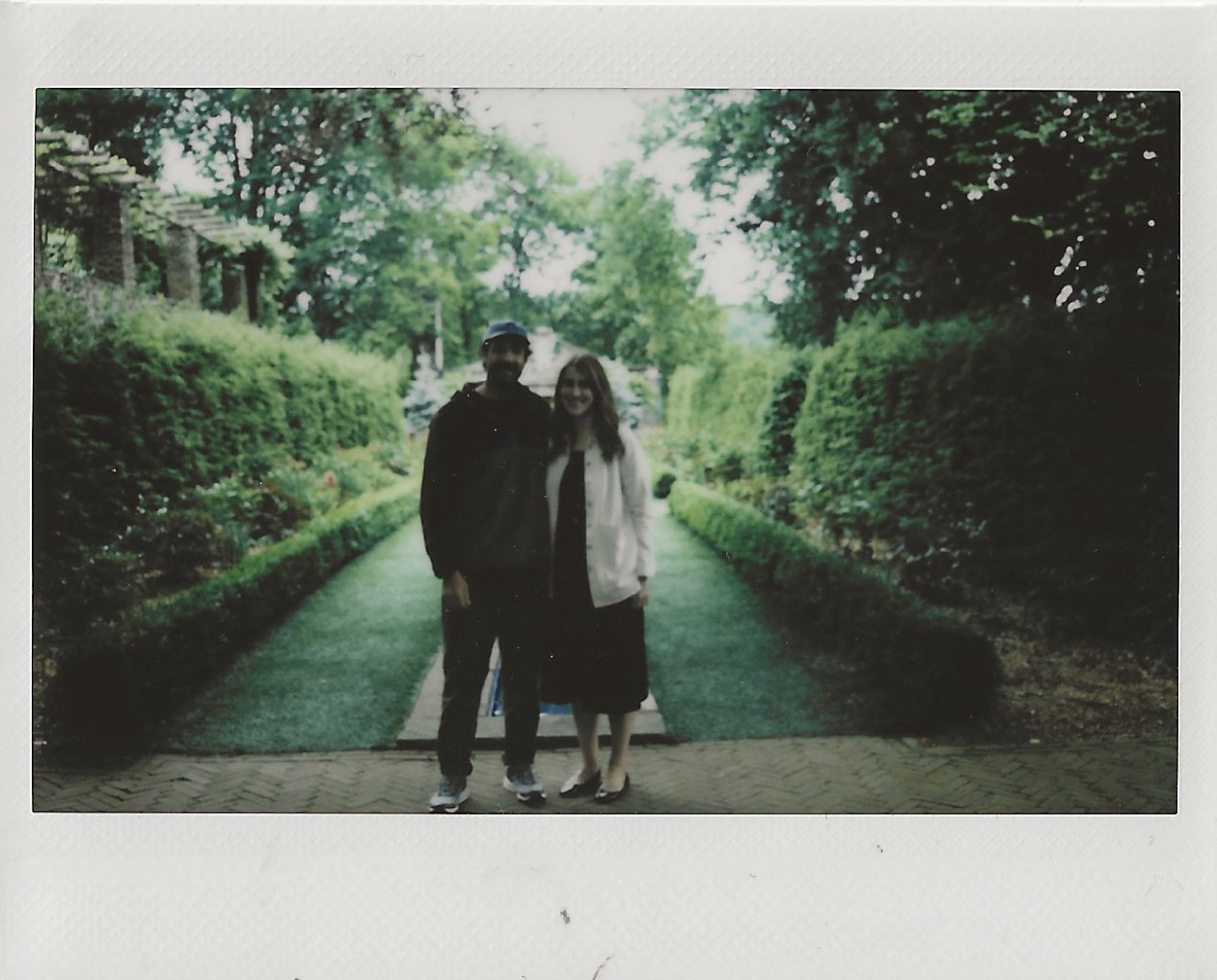
Our very first visit, summer 2022, on Polaroid.
The house that kept showing up
When we got engaged, we ended up marrying at another beautiful old home cared for by the Park Service, the Marie Zimmerman Farm, just outside Milford. The small town that was the backdrop to my first visit to Pennsylvania became the backdrop for the start of our life together.
While planning our welcome dinner, the history of Grey Towers started unfolding for us almost by accident. Our hotel also ran event spaces around town, and one of them was in Forest Hall, a striking stone building in the heart of downtown that's now home to shops and apartments. That's where we learned it was originally built for Yale's forestry school. Yale was my dream school (if I'd ever been brave enough to apply), and I was fascinated that it once had a footprint in a small Pennsylvania town. Suddenly the Ivy League speakeasy where we held our cocktail reception made a lot more sense.
Some of our wedding guests visited Grey Towers that weekend and got lucky with the timing to go inside. We never did. Every time we tried after that, we missed the tour windows. Then this summer, on a total whim while my mom was visiting, we drove up to Milford and caught the very last house tour of the day.
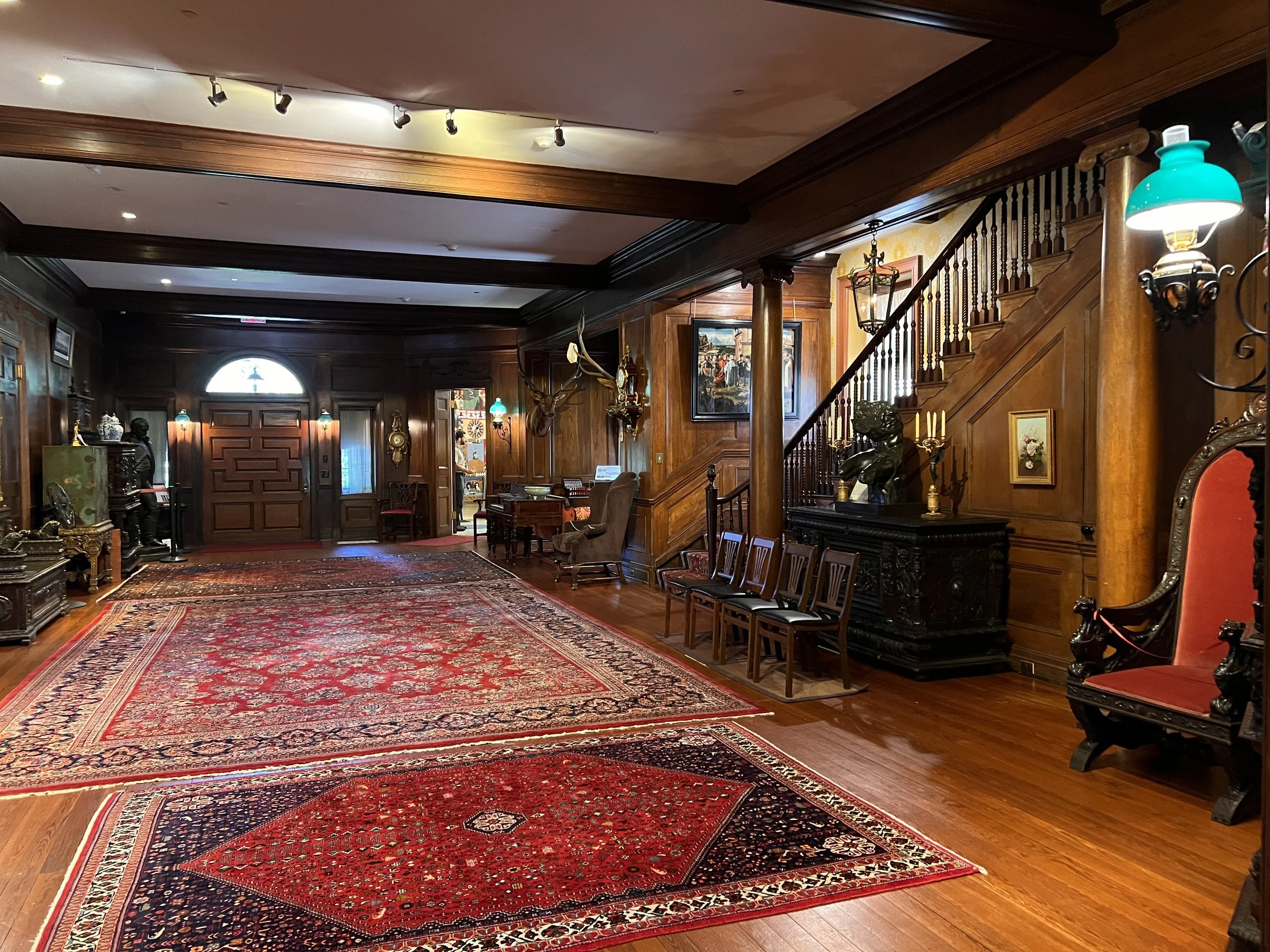
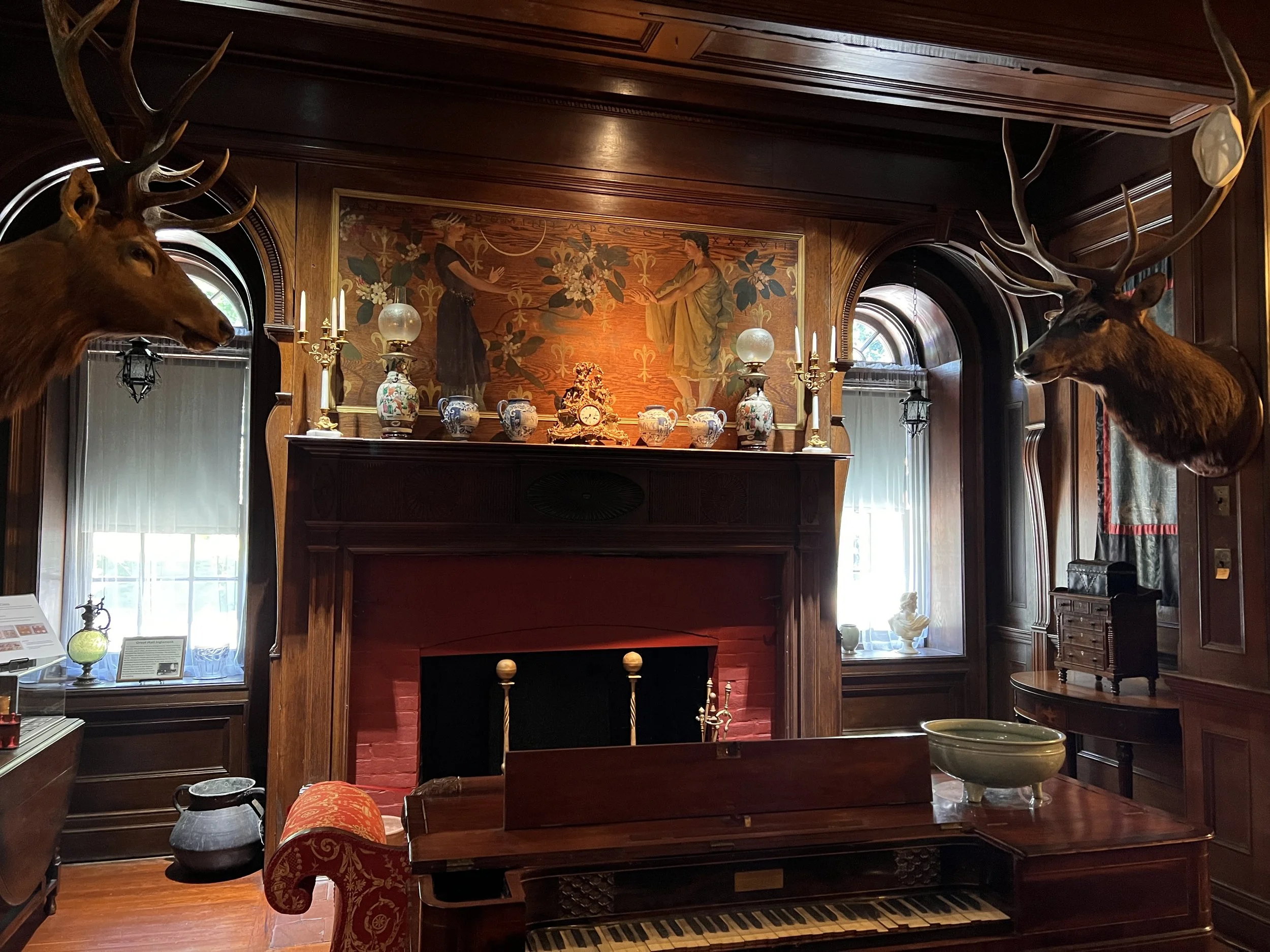
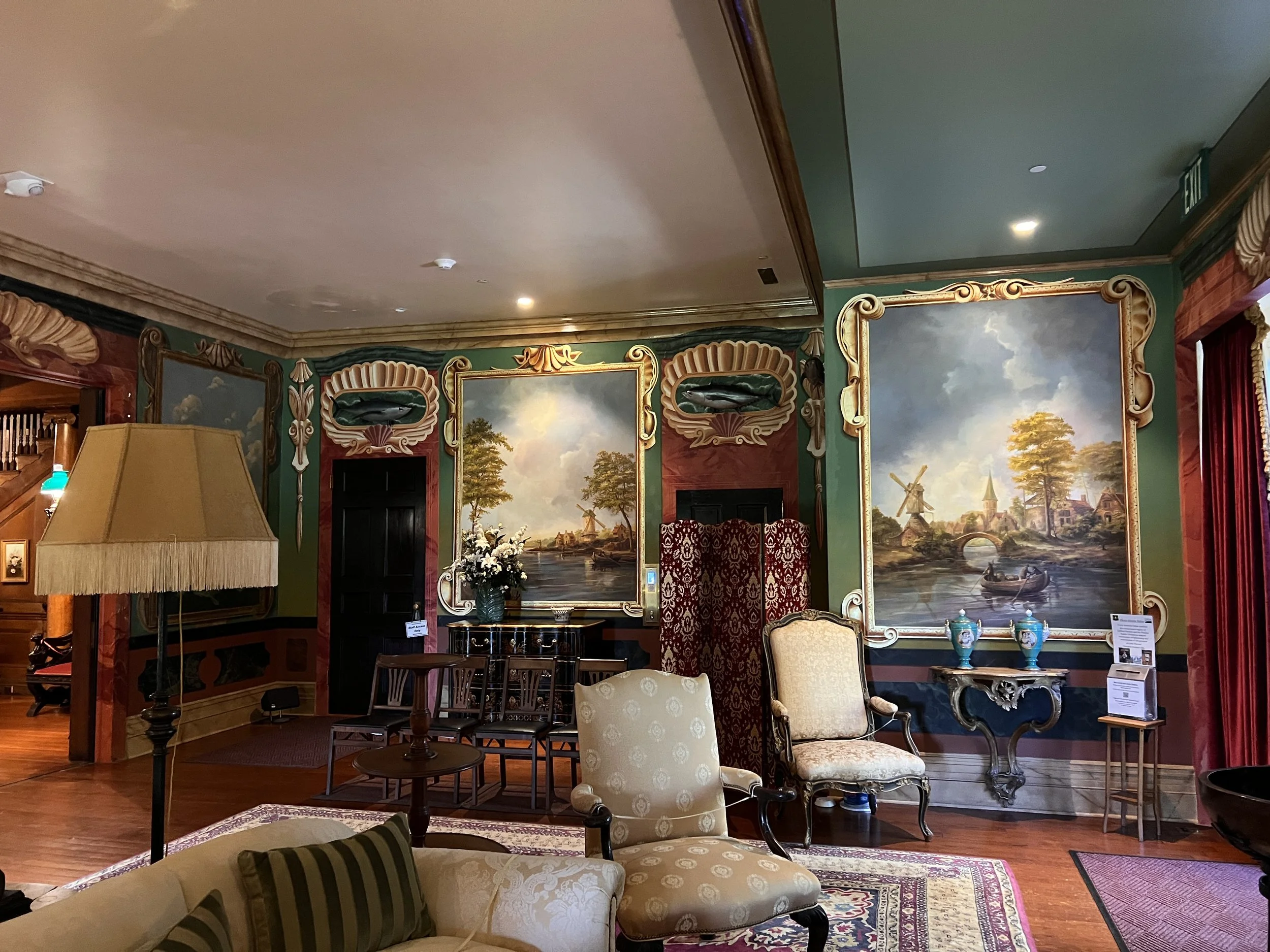
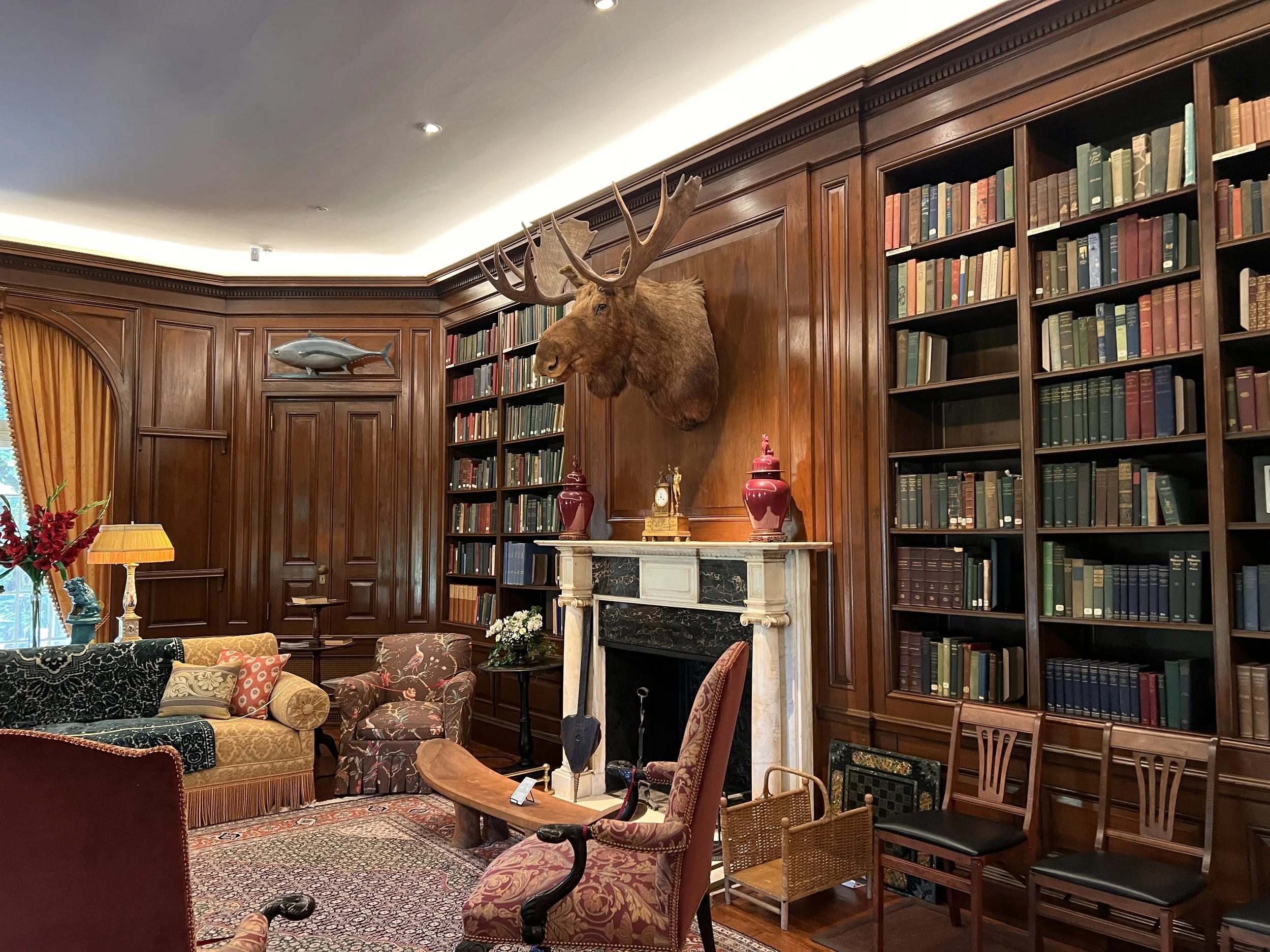
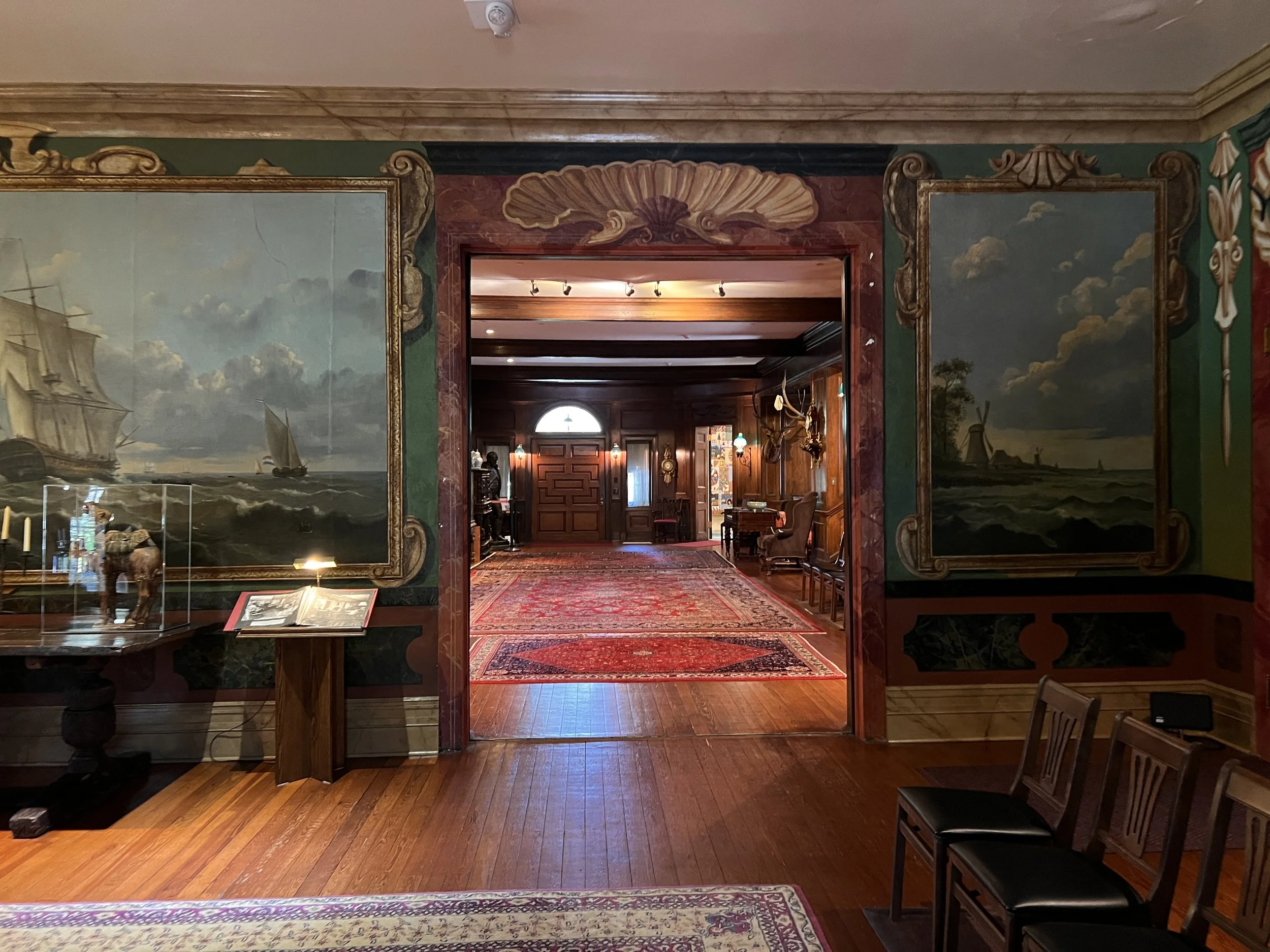
Finally inside, four summers later.
How a wallpaper fortune started American forestry
Finally, all the random pieces came together, and the history of this house is absolutely fascinating to me.
The Pinchots were a French family who settled in Milford in 1818. James Pinchot was born here, but at 19 there was no room for him in the family business, so he left for New York City. He made his fortune in the wallpaper and window shade business, along with land and timber deals, and retired at just 44. Then he came home to Milford and built Grey Towers as the family's summer house, designed by Richard Morris Hunt, one of the most celebrated architects of the Gilded Age. Like so many wealthy families of that era, the Pinchots' idea of a "modest summer home" was a stone château with three towers on a hill. It was finished in 1886.
Here's the twist I love. James came to regret how much damage industries like his own had done to America's forests, which were being clear-cut at a staggering pace. So just before his eldest son Gifford left for Yale in 1885, James asked him a question: how would you like to be a forester? At the time, there wasn't a single forestry school in the country. After Yale, Gifford went to France to study forestry, because Europe was the only place to learn it.
Gifford came home determined to bring what he'd learned to America. In 1900, the Pinchot family gave Yale the money to found its forestry school, the first graduate forestry program in the country. They also opened up the land around Grey Towers, about 1,600 acres at the time, and put up buildings in town and at camp, including Forest Hall. Every summer from 1901 to 1926, Yale forestry students lived in Milford and learned surveying, tree identification, and how to manage a forest right here on the Pinchot land. Hundreds of students came through, including Aldo Leopold, who went on to become one of the most important conservation writers in American history. Inside the house, an exhibit shows photographs of these students, and seeing their faces made the whole story feel real.
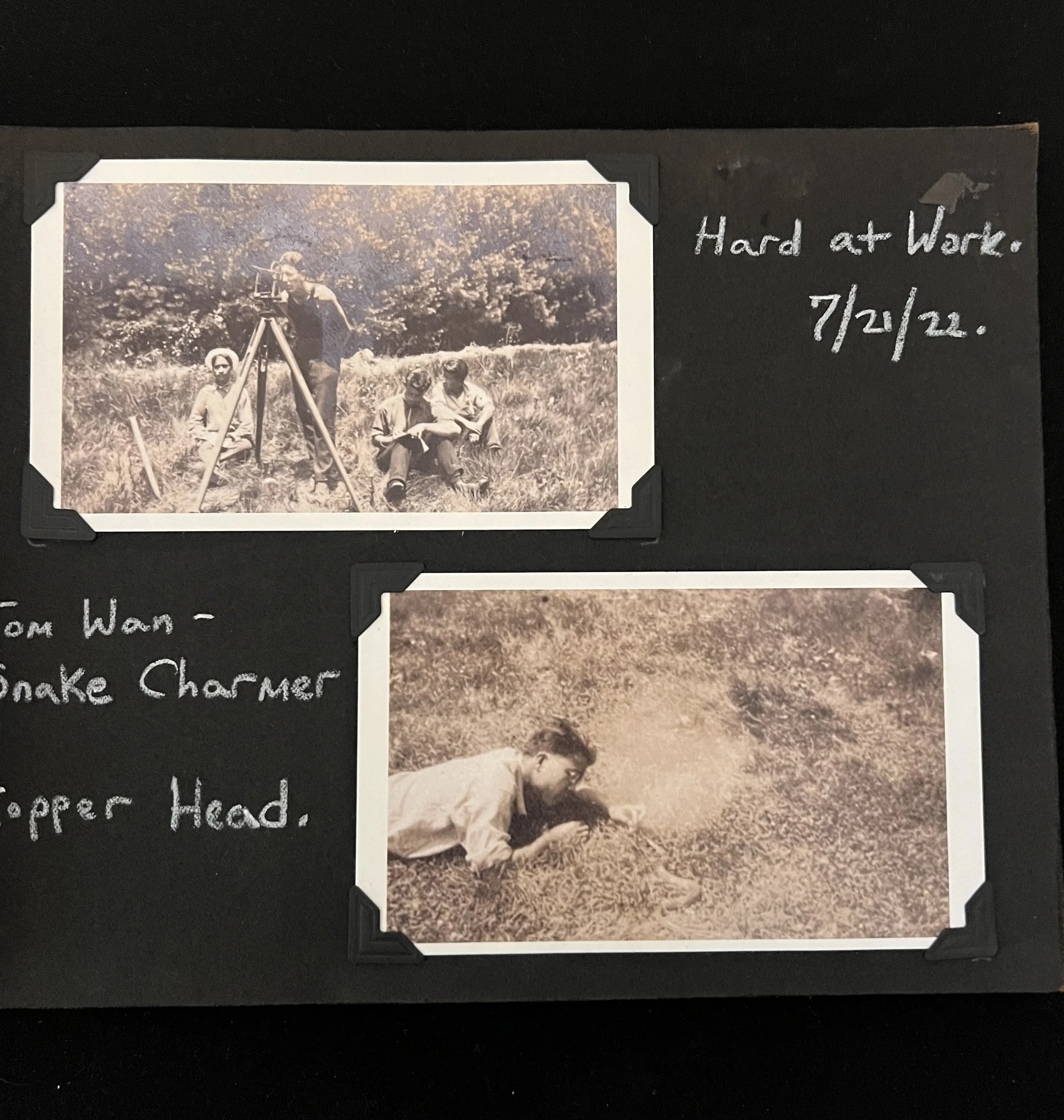
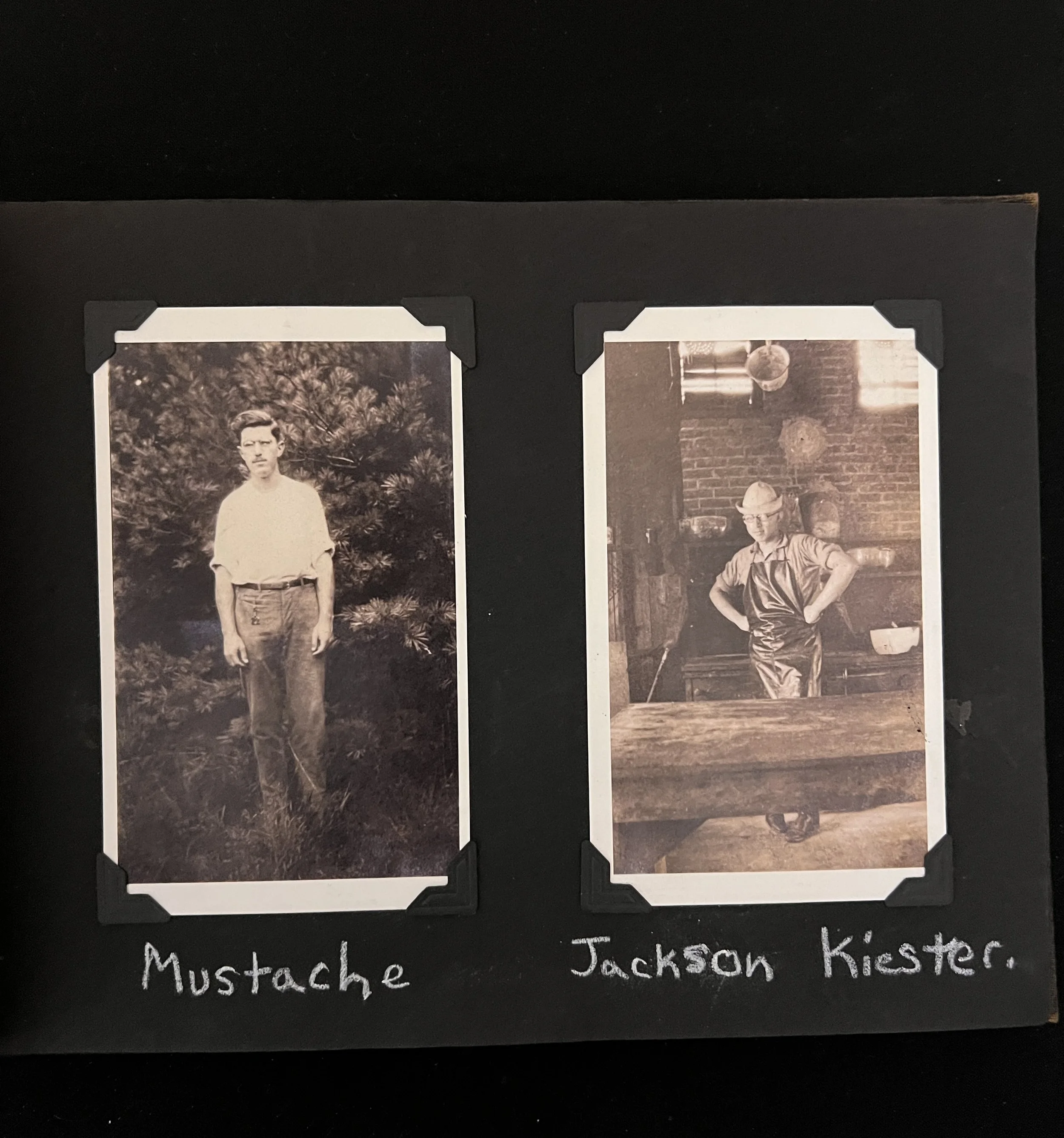
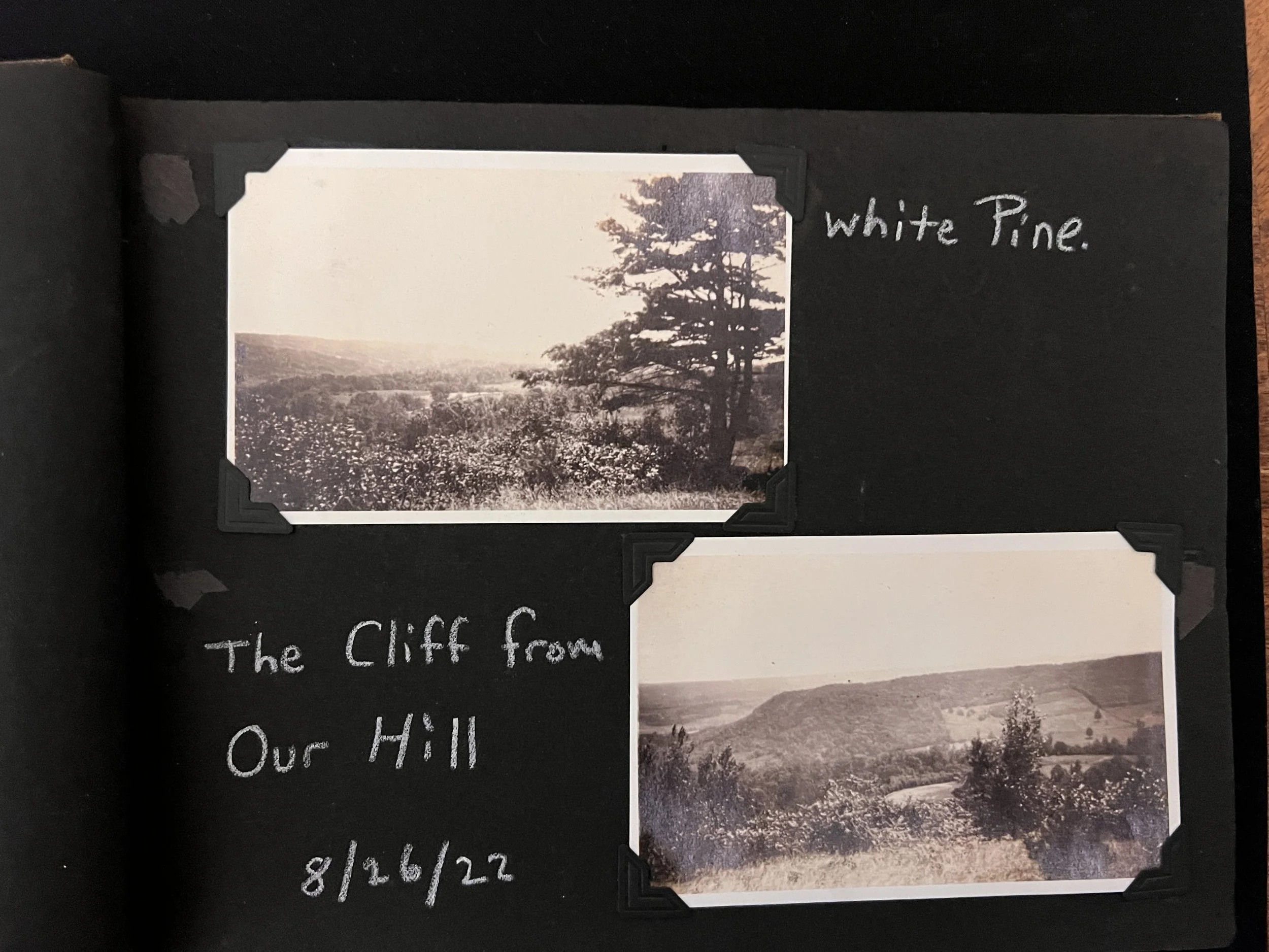
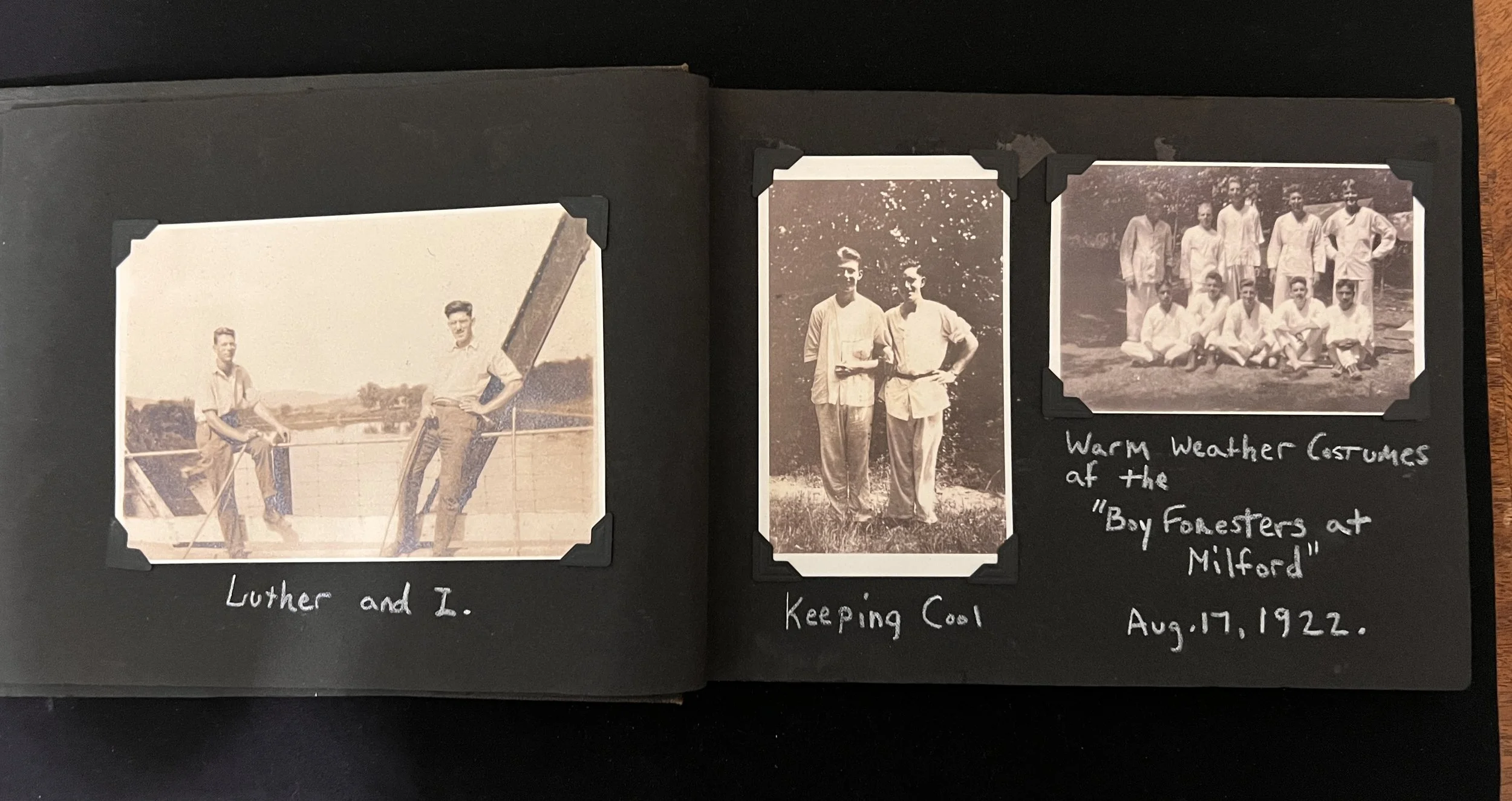
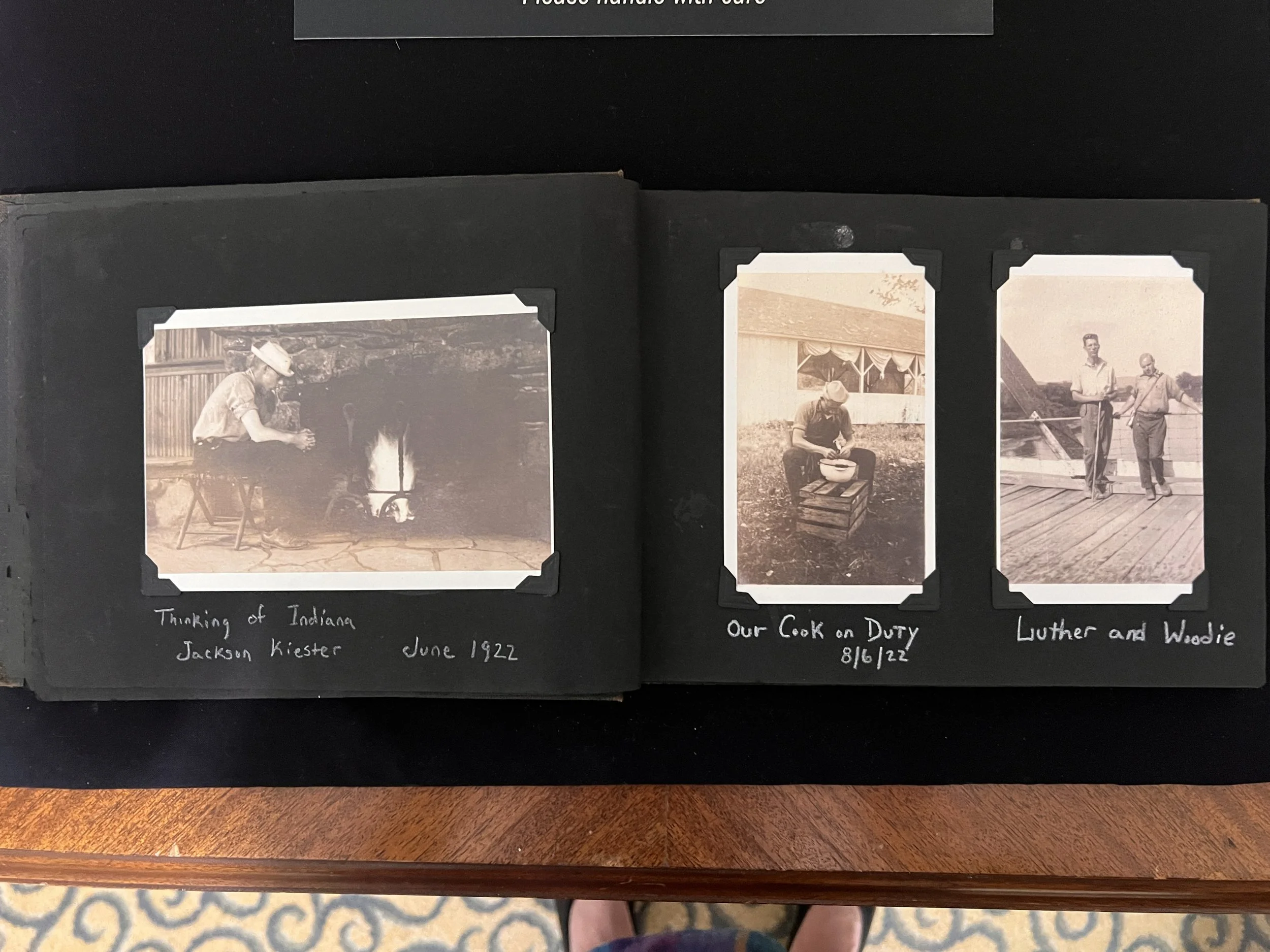
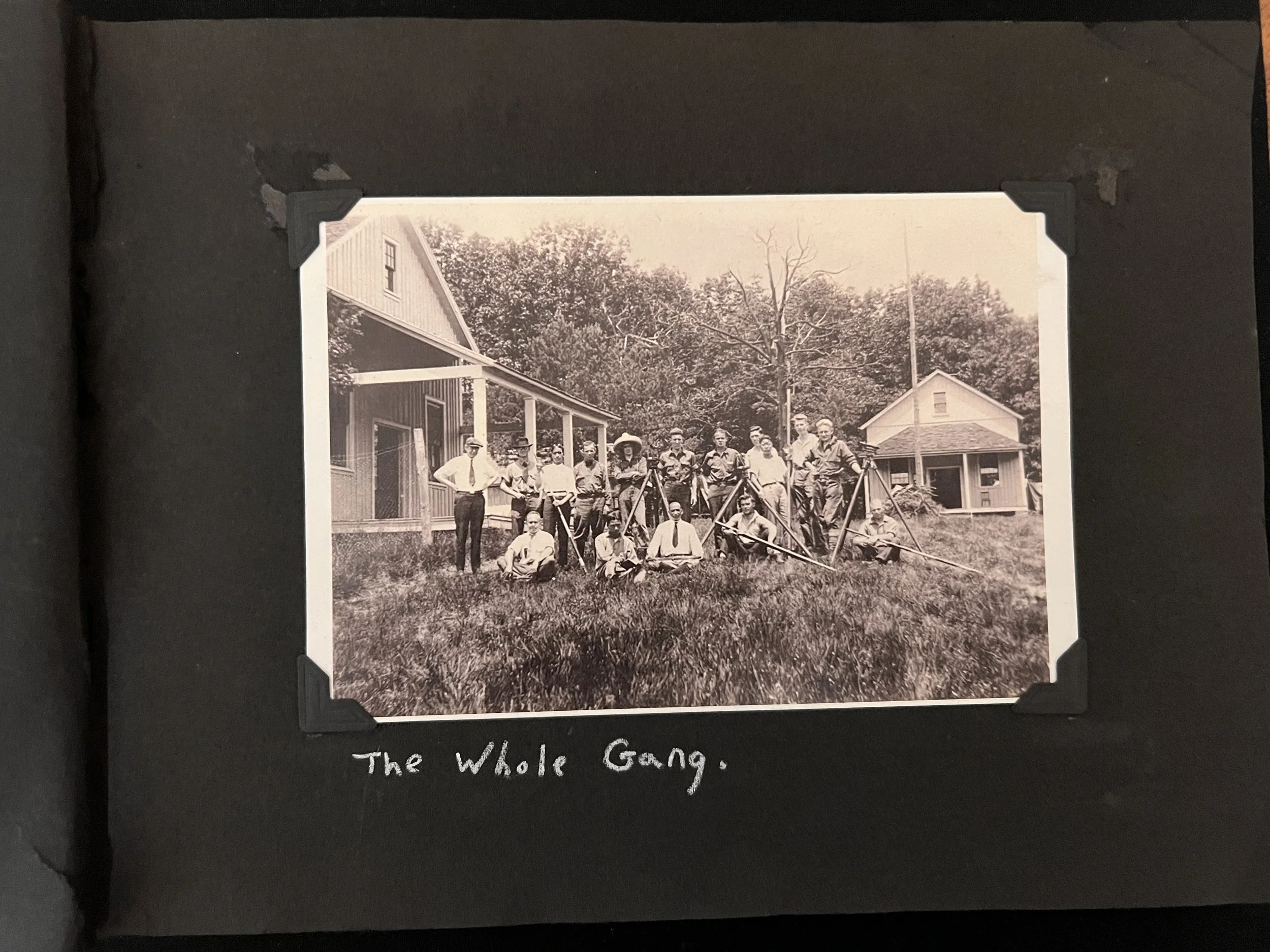
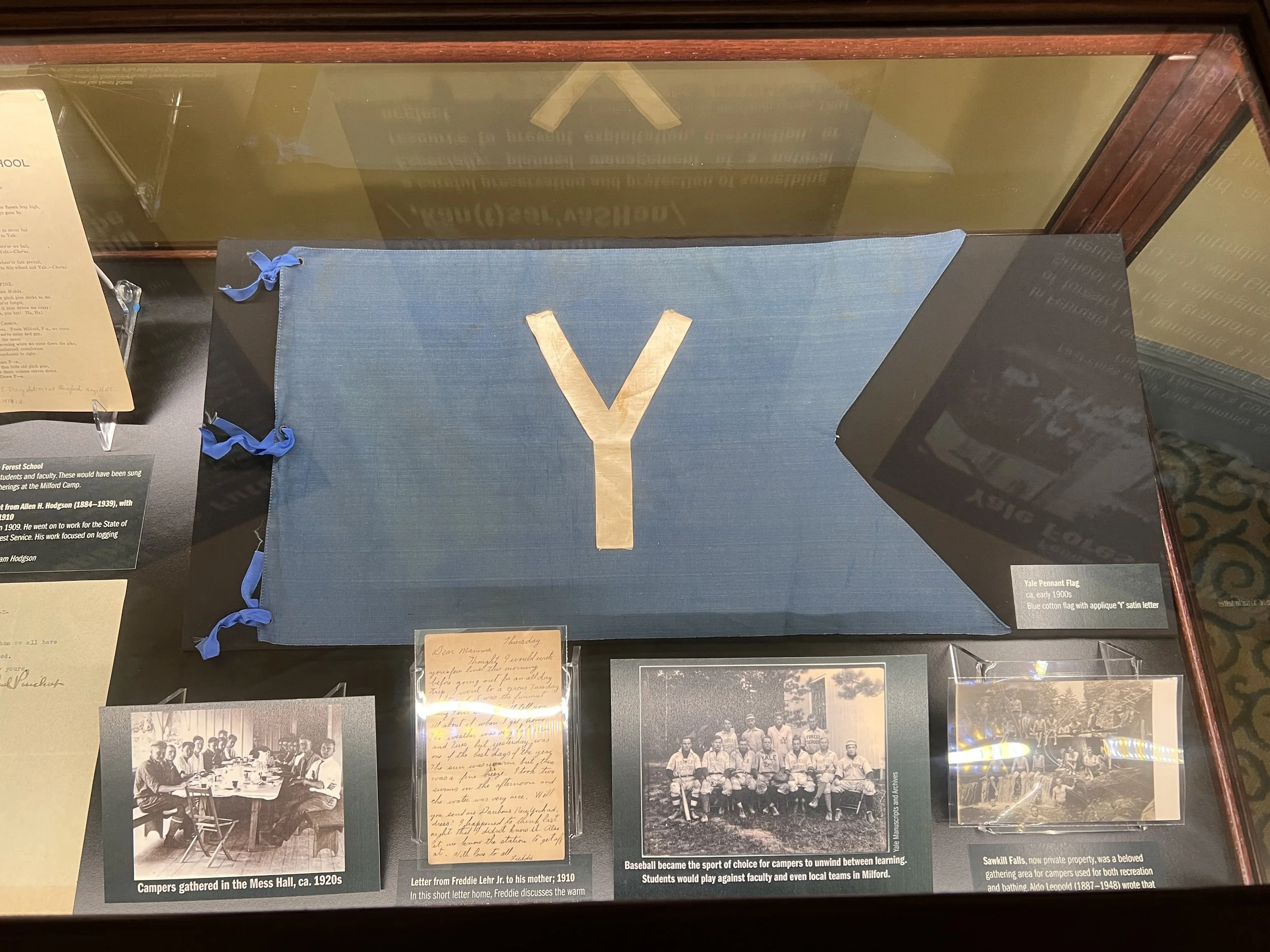
A student's photo album from the summer of 1922, now on display inside the house.
Meanwhile, Gifford was building something even bigger. He led the federal forestry agency from 1898 to 1910, and in 1905 became the first Chief of the newly created U.S. Forest Service. Working alongside his friend Theodore Roosevelt, he helped triple the size of the national forests. His time in Washington ended dramatically in 1910, when President Taft fired him after a very public fight over protected public lands. He didn't slow down, though. He went on to serve two terms as Governor of Pennsylvania, and Grey Towers became his family's home base. He and his wife Cornelia, herself a campaigner for women's suffrage, added some wonderfully eccentric touches, including the Finger Bowl, an outdoor dining table with a pool of water in the center where dishes were floated across to guests.
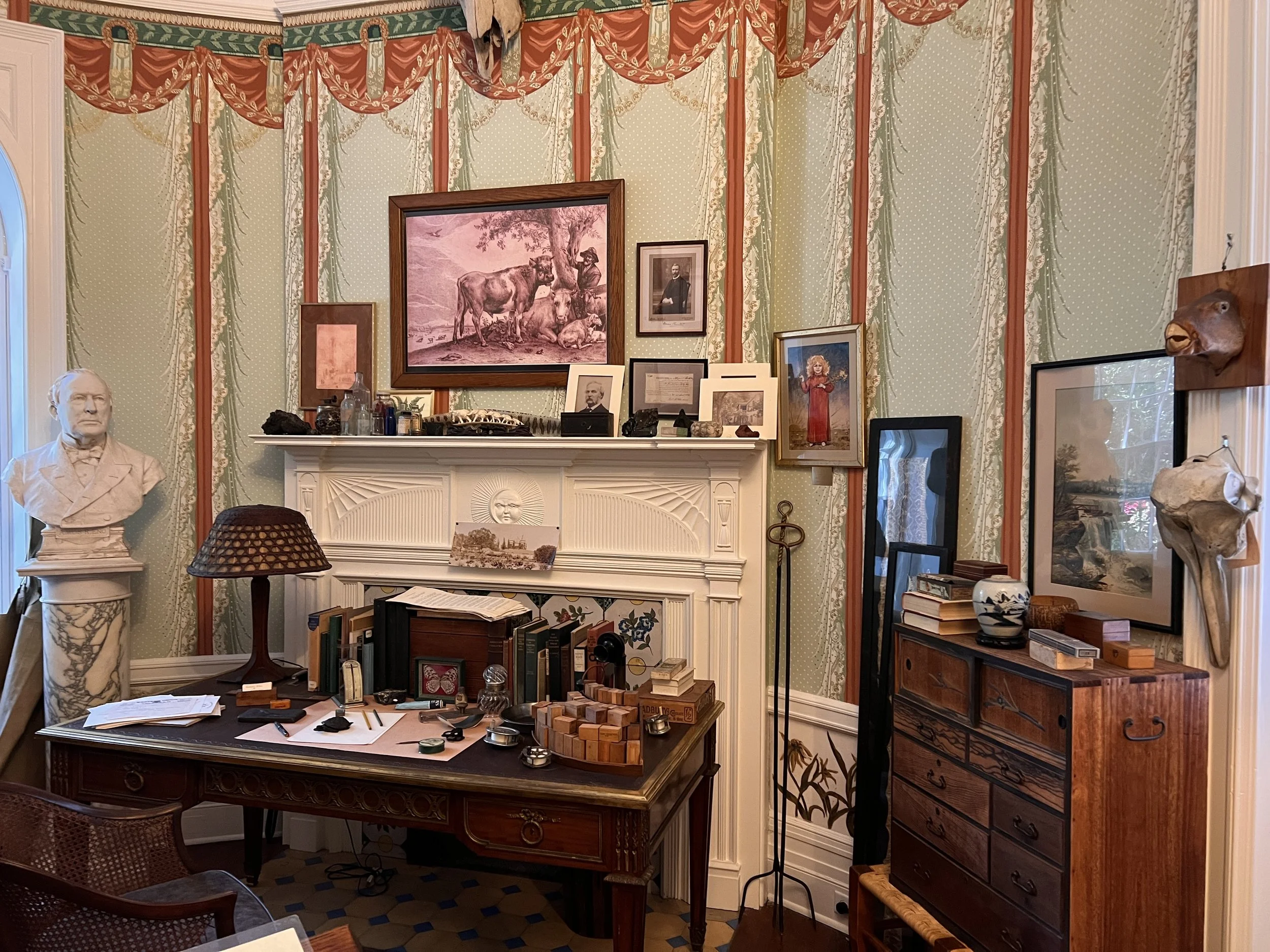
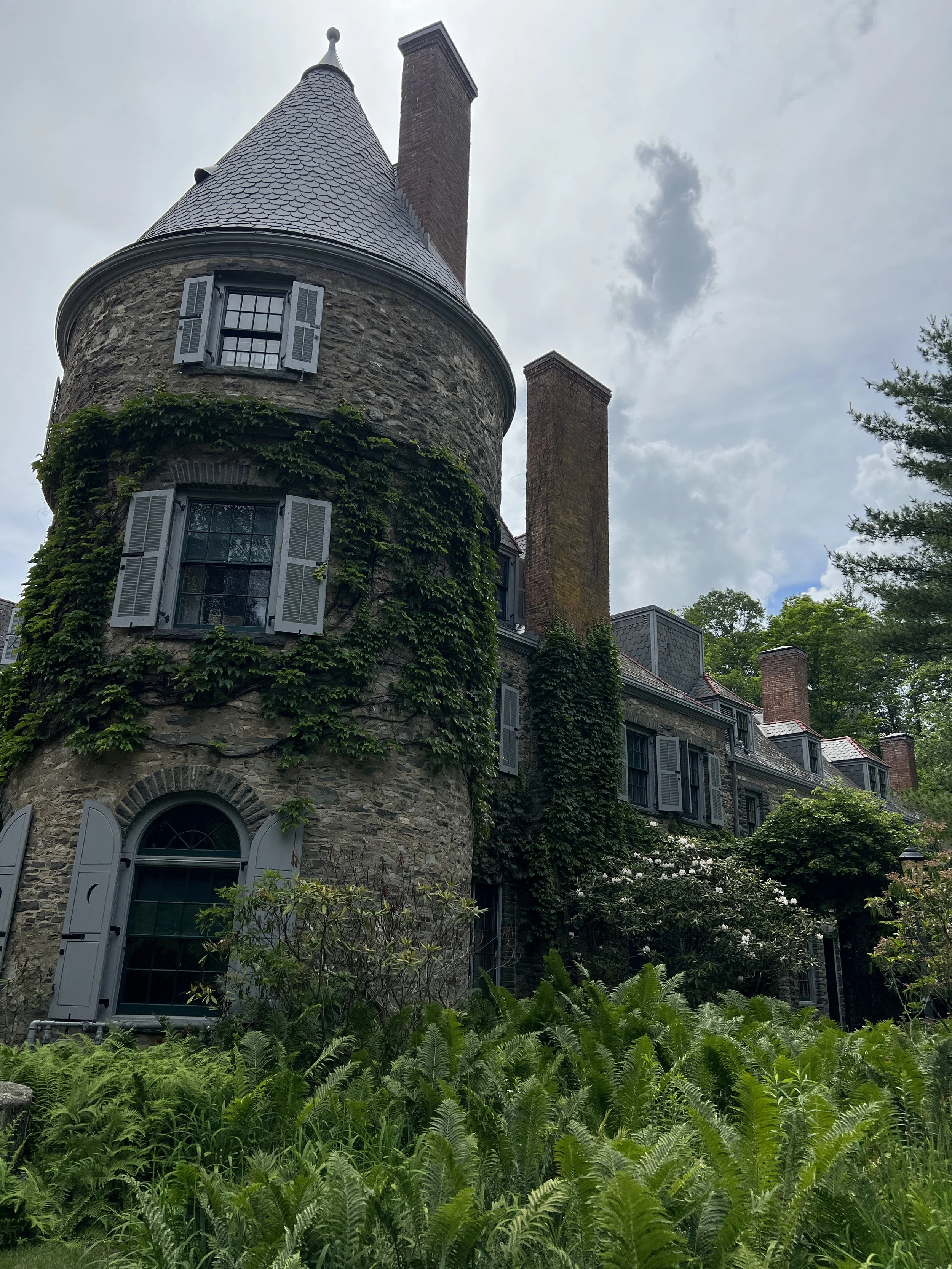
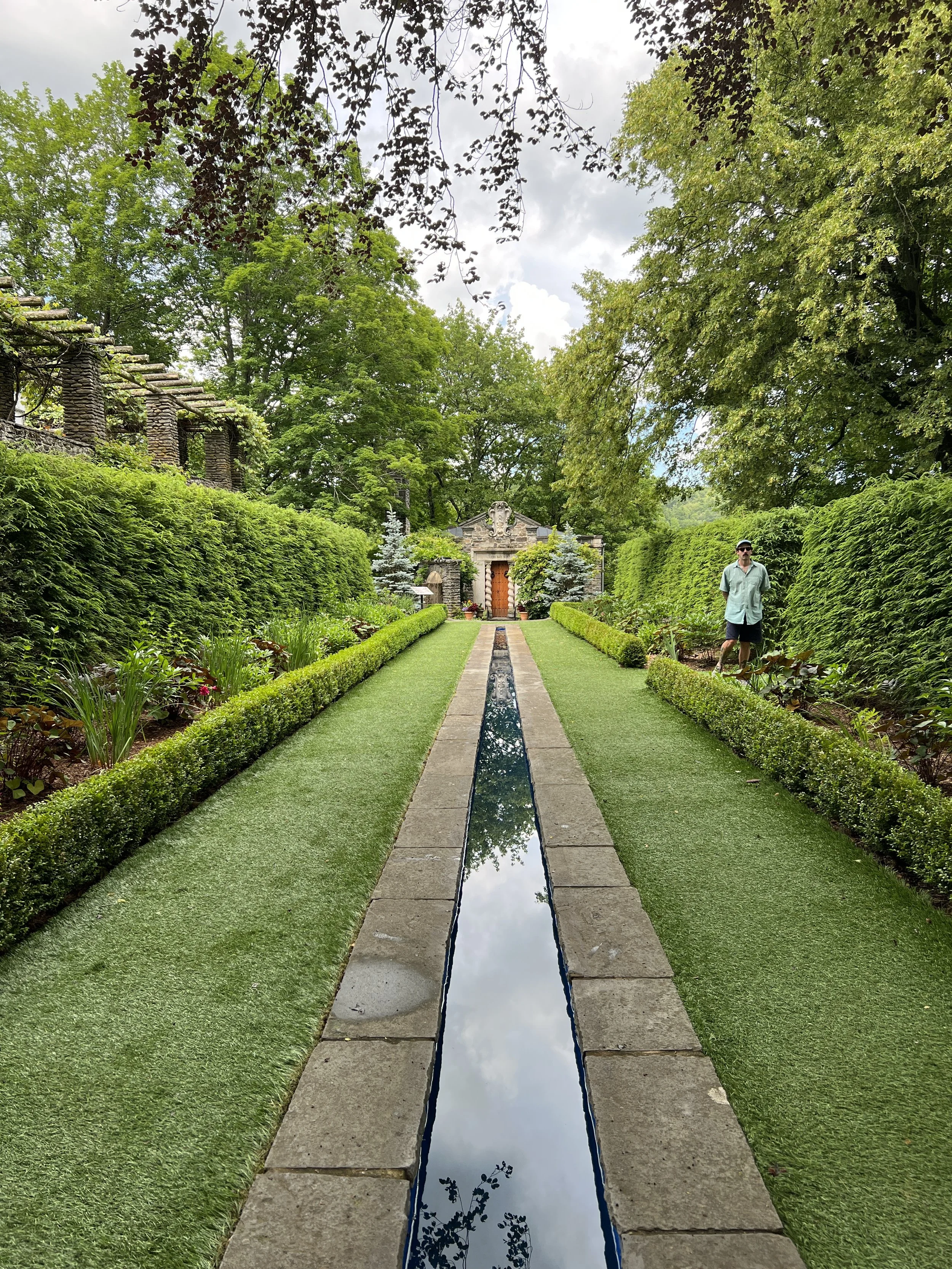
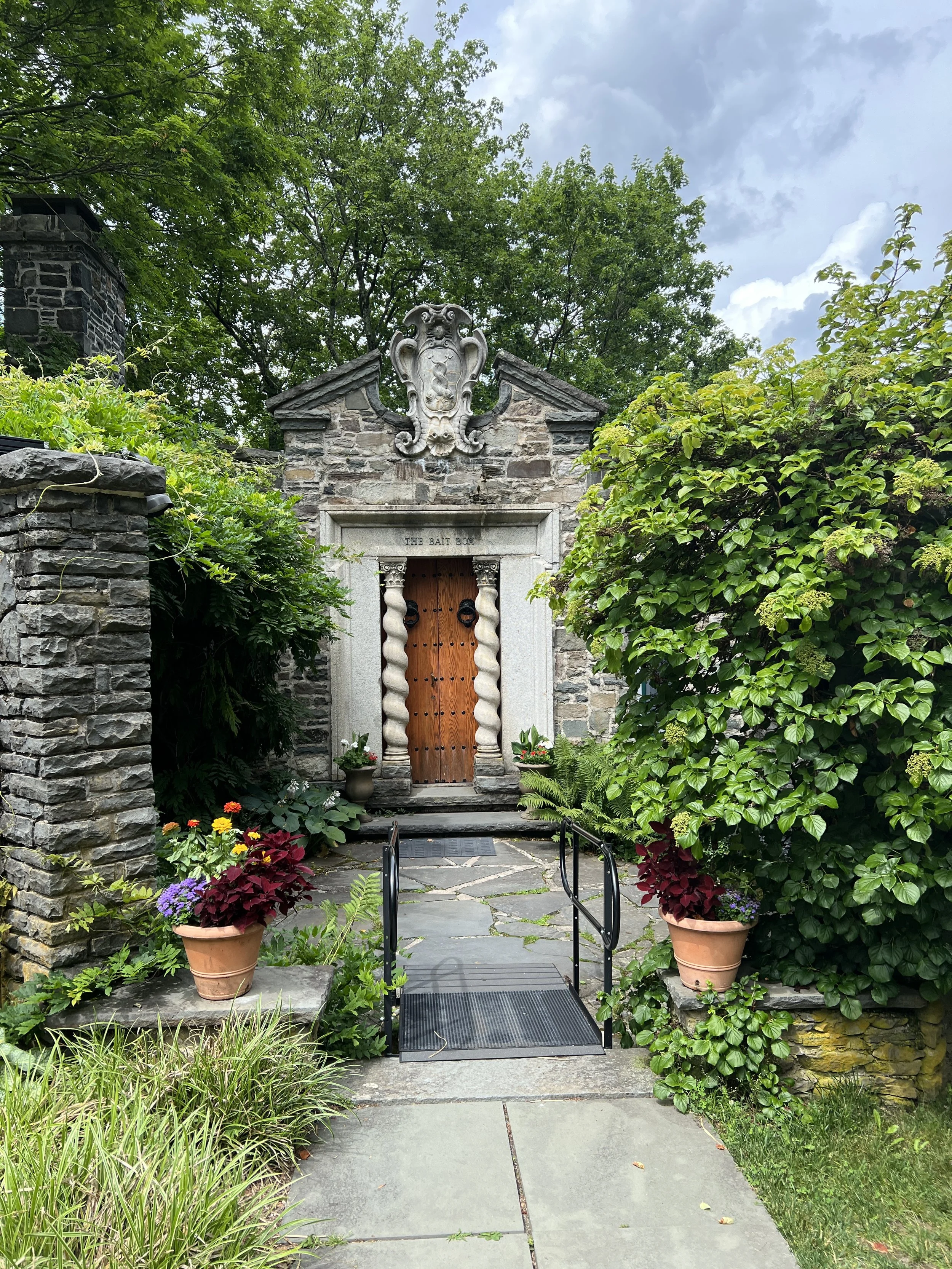
Gifford Pinchot's office at Grey Towers, where the work of conservation continued long after Washington. The same reflecting pool from our first Polaroid, leading to the little stone Bait Box.]
In 1963, their son Gifford Bryce Pinchot donated Grey Towers and 102 acres to the Forest Service, the agency his father founded. President Kennedy came to Milford to dedicate it that September. To think it all started in this small town.
What the Pinchots kept, and what they gave away
I'll admit this visit left me a little annoyed with my beloved Yale. This family funded the school, opened their home and land to its students, and built the buildings they learned in. Their son founded the Forest Service and an entire conservation movement. And after 1926, the school packed up and moved its summer camp back to Connecticut. I know institutions grow and change, but it still feels like a huge loss to have where the start of this all began no longer part of the institution.
The Pinchots, though, never stopped giving things away. Gifford spent his career fighting to keep forests in public hands. His son handed the family home to the American people. And the family still owns the original experimental forest outside Milford, which they brought back to life in partnership with the Forest Service, decades after the students left. The classroom moved out, but the forest is still being cared for and studied, right where it started.
That's what moves me most about this place. Grey Towers isn't just a beautiful house. It's a family deciding, generation after generation, that some things are worth more when they're kept for everyone.
We'll be back this winter. We learned there are special weekends when you can see the second floor, and a ranger told us the rest of the house is still a working building with offices for the Forest Service. I can't wait to see more of it, and I'll share it here when we do.
Planning a visit? Check the Grey Towers Heritage Association for current tour times and seasonal events before you go.