Fonthill & The Man I Didn't Know I Needed to Find
It's been a while since I've posted a longer blog about something I'm genuinely excited about. This one snuck up on me.
A few years ago when I still lived in the city, I got really into wheel pottery. I always meant to go back and take a hand-building class, someday I will. There's something I deeply appreciate about the process of making objects by hand. The time, the effort, and the honest unpredictability of it. You can throw a hundred pieces and glaze them identically and still have one come out of the kiln completely different from the rest. That randomness is part of what makes the ones that work feel like a small miracle.
I didn't expect a rainy holiday weekend in Pennsylvania to bring me back to all of that. But here we are.
My father came out to visit us and the weather had other plans for us, so we pivoted to exploring historic homes. We started with a leisurely late breakfast at a place called The Biscuit Lady, which was exactly as good as the name suggests, and headed toward a colonial home I'd bookmarked outside of Philadelphia. We arrived to find it closed for a private event.
With a brief break in the rain we walked the dogs around the property, climbed back in the car, and started problem solving. I'm someone who bookmarks places compulsively - restaurants, shops, historic sites, farms in cities I haven't even been to yet. But nothing close by was jumping out that didn't require being outside in the rain. So we started searching.
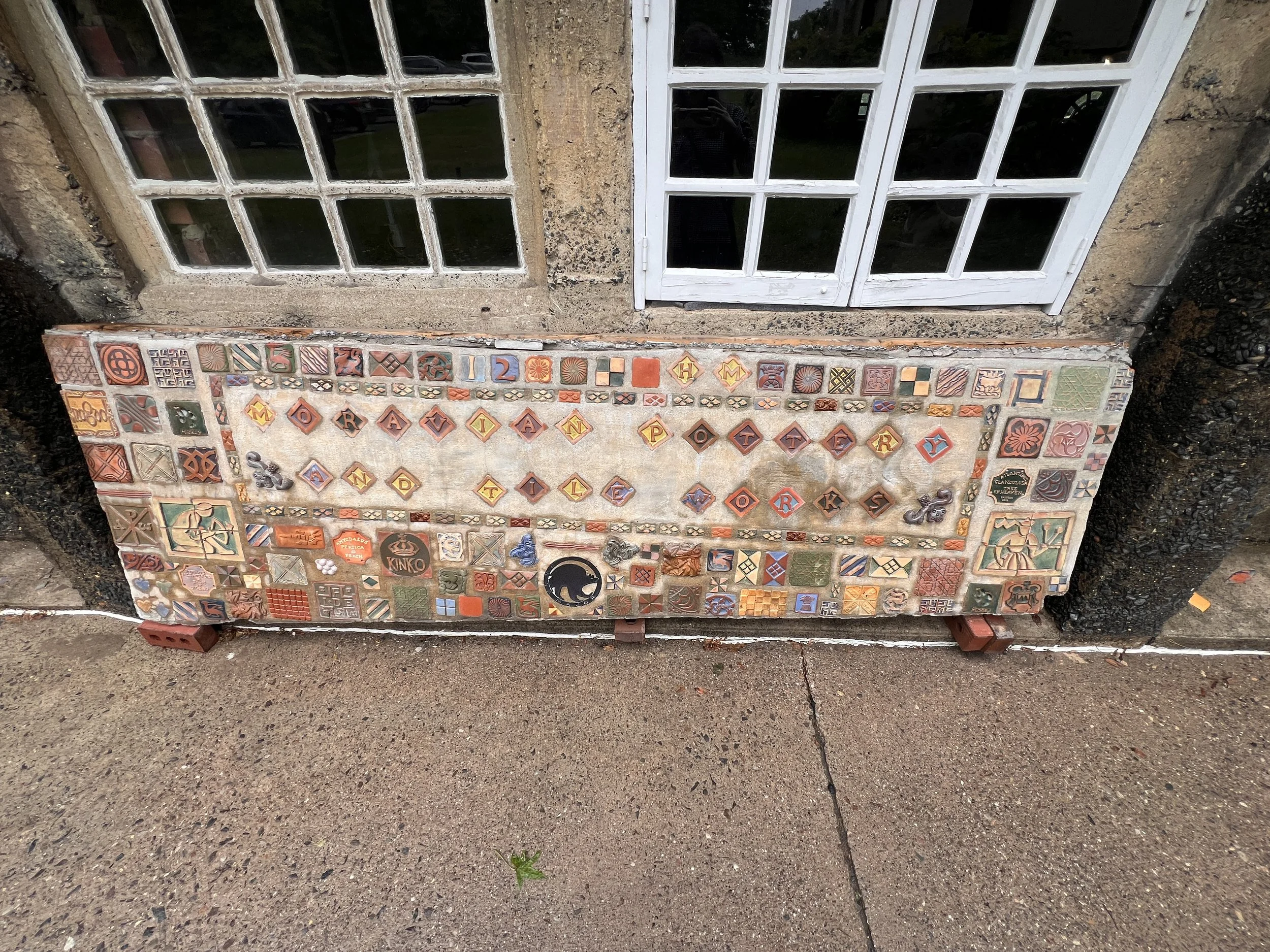
We found a still-working historical farm not far away that was worth the detour even if the house itself wasn't open. The property alone felt like stepping back in time. Then, because my father and hustband are very patient, I spotted a listing for the Moravian Tile Works and Pottery Company and got immediate approval from both men in the car.
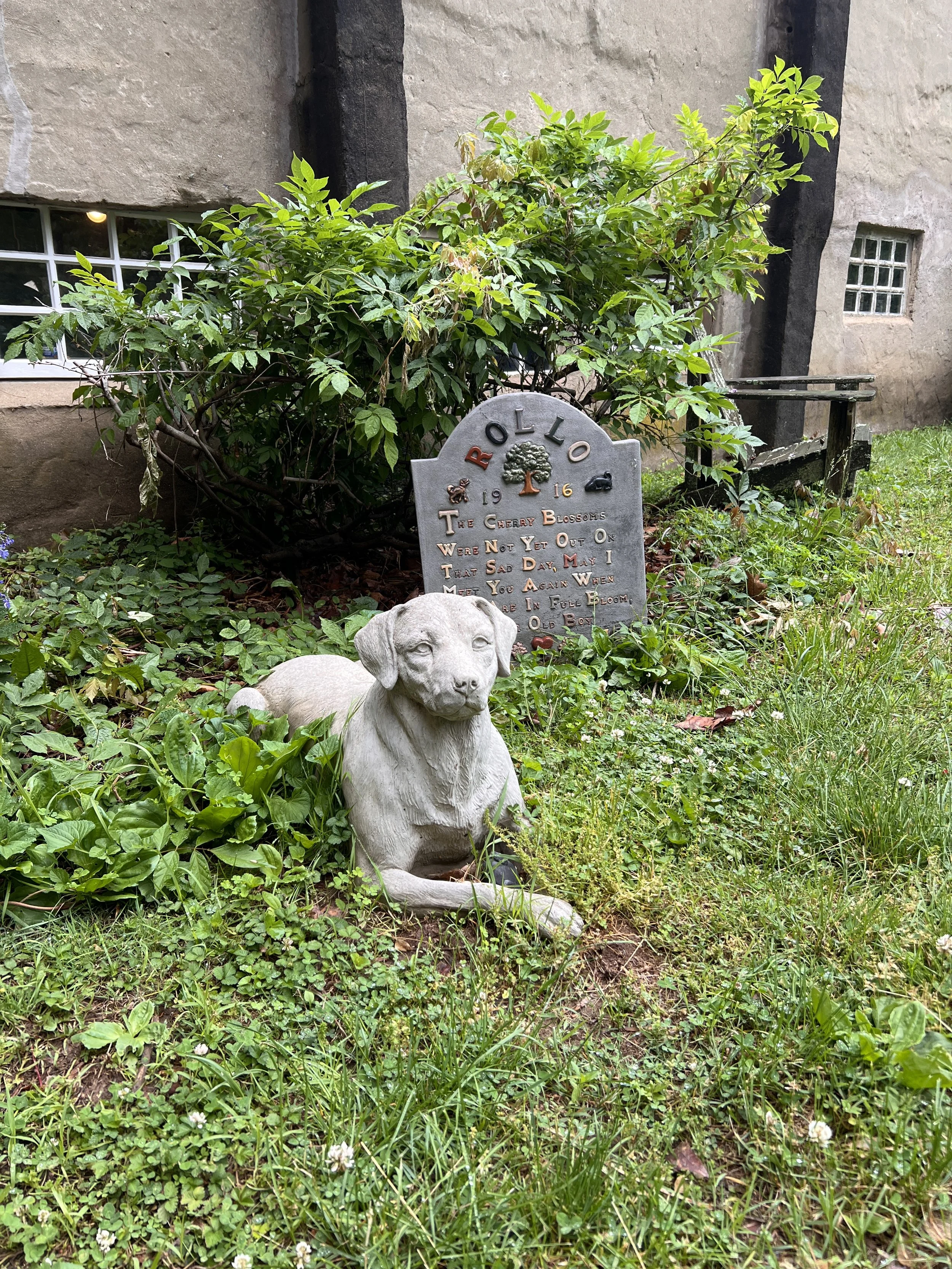
I walked in completely charmed before I even got through the door. There was a stone statue and a headstone made with pottery pieces as a tribute to a dog sitting right out front. I had no idea what I was walking into.
We spent about thirty minutes in the shop. There were easily forty tiles I wanted but I reined myself in to three: one stamped with Veritas for Harvard because I have a soft spot for Ivy League ephemera, one representing the Pennsylvania State Capitol, and one depicting the Mayflower. Iconic. We missed the next tour of the shop by a few minutes and weren't willing to wait an hour. We saw a small sign outside pointing toward a castle and collectively decided, why not.
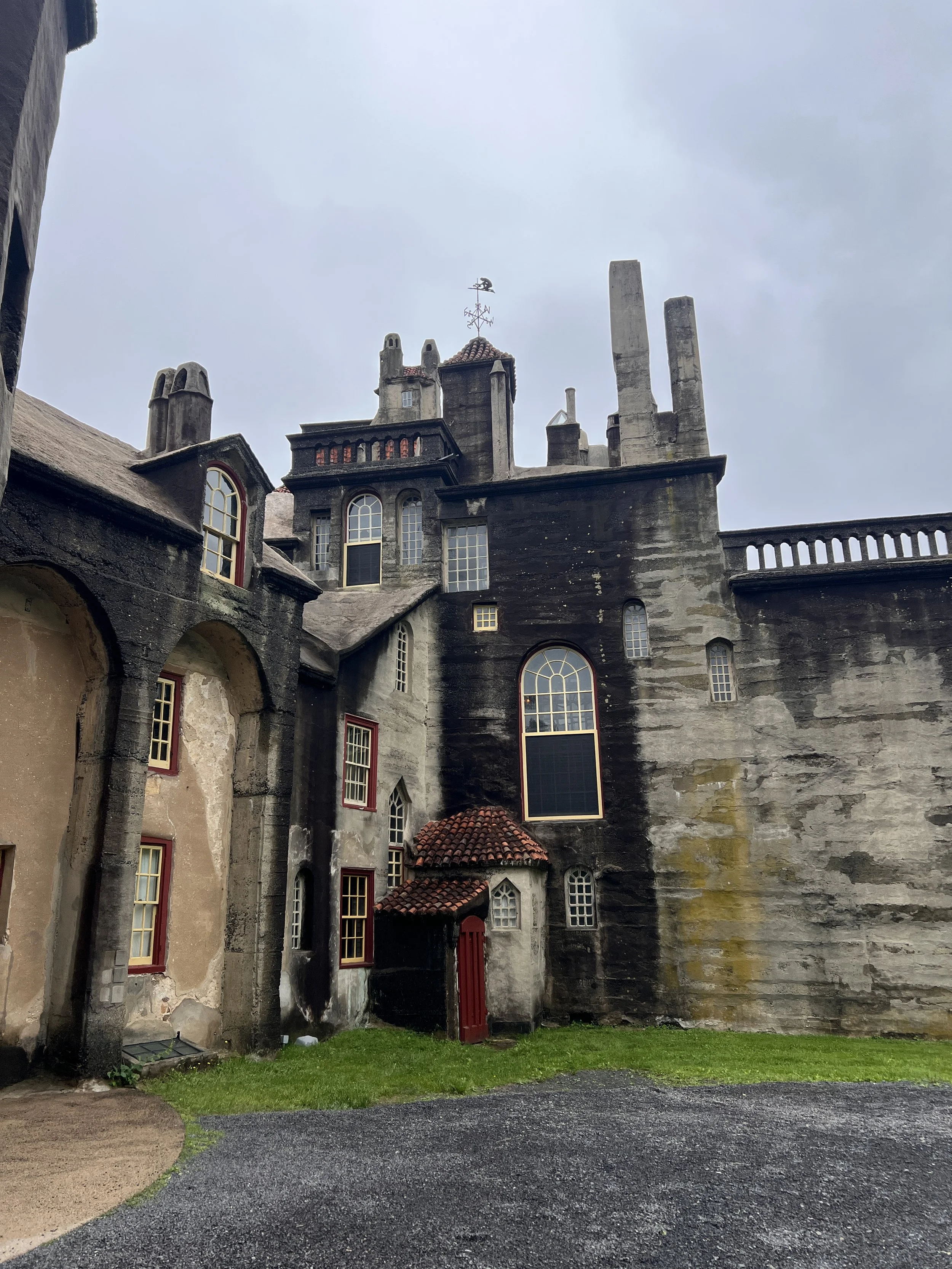
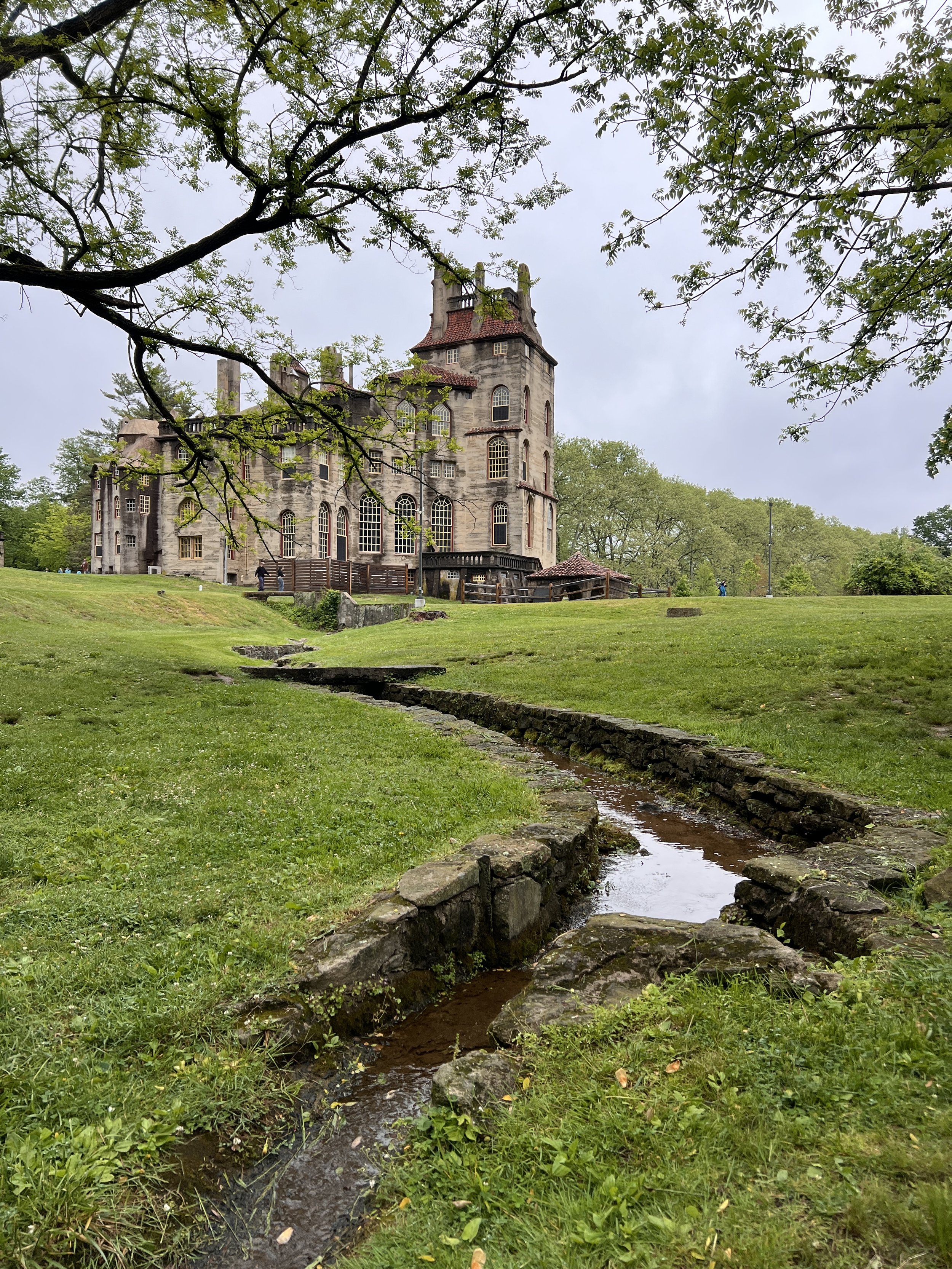
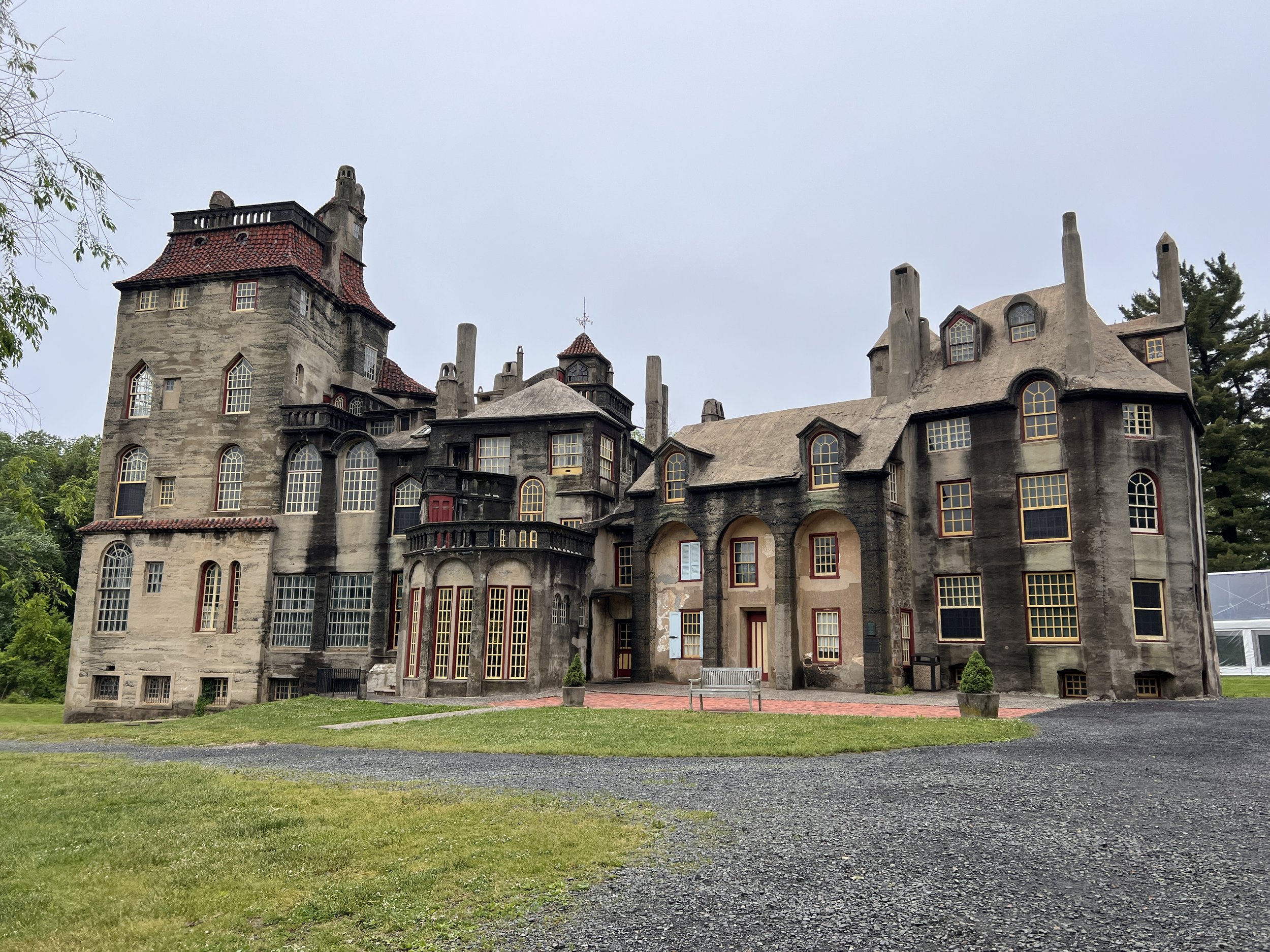
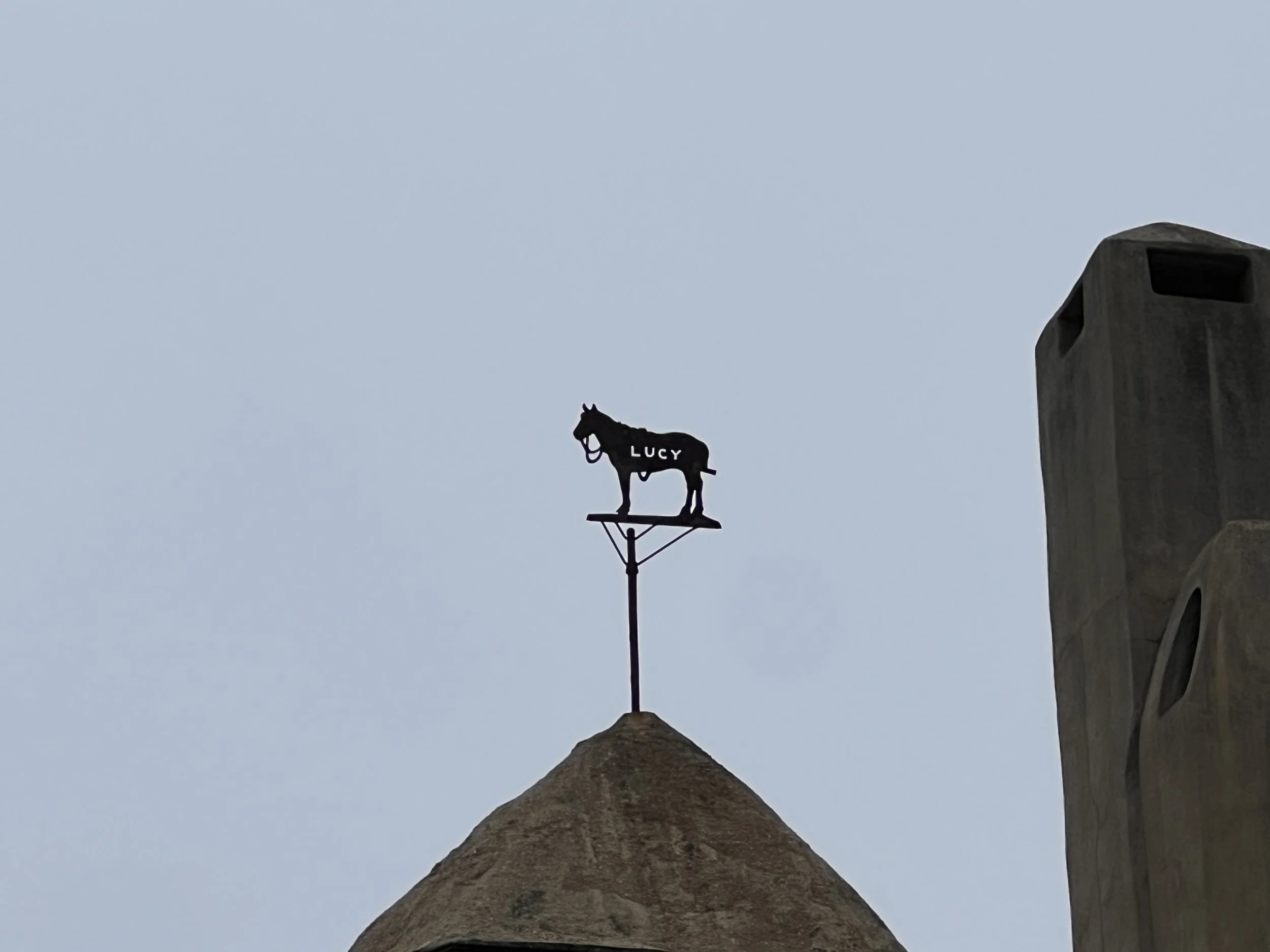
I'll be honest. I had seen Fonthill come up on Google Maps before and the exterior photos never called to me. It looks like it belongs somewhere abroad but you can't quite name the country. Odd, slightly imposing, architecturally unclassifiable. We walked the grounds while waiting for one of the last tours of the day and I still wasn't entirely sure what I was in for.
And then we went inside.
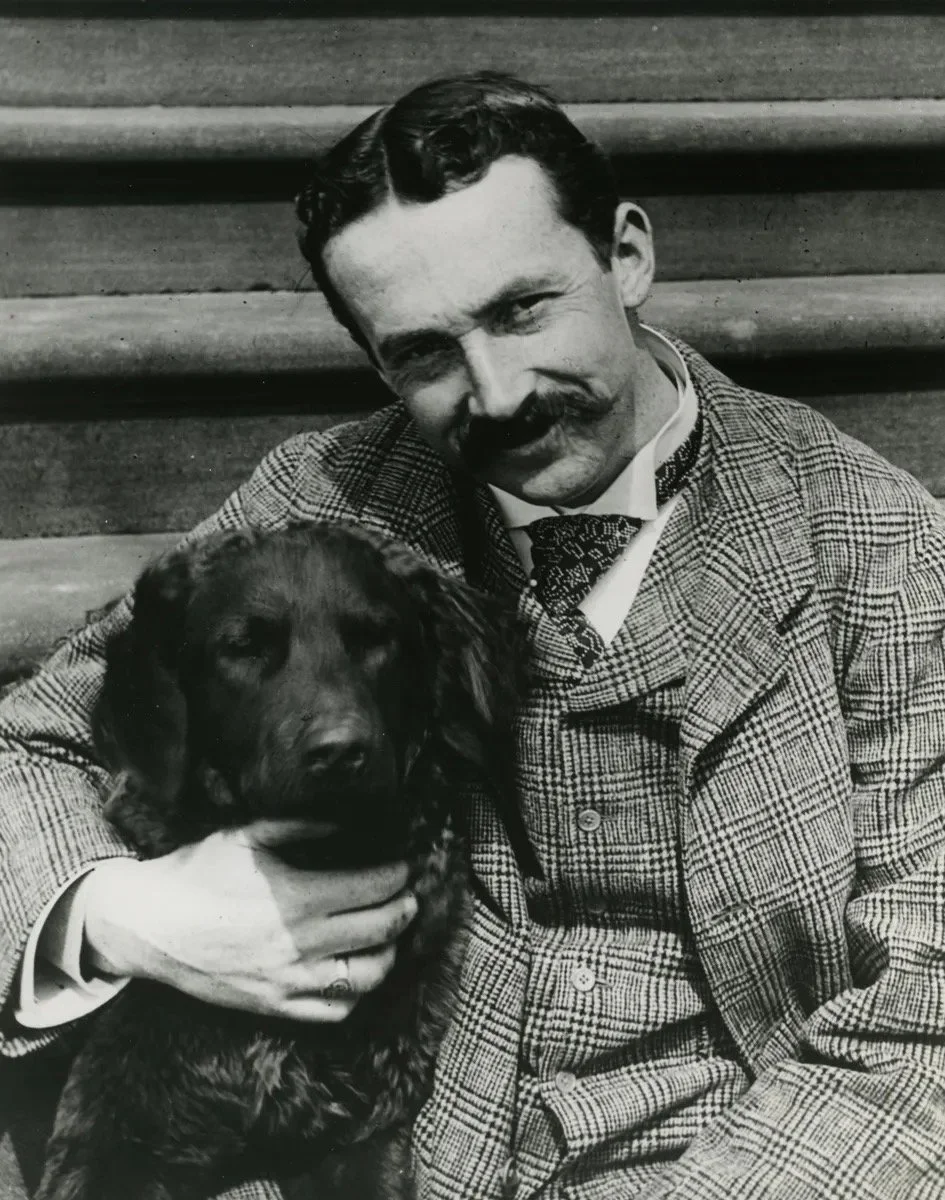
Henry Chapman Mercer is now one of my favorite people I've ever learned about accidentally.
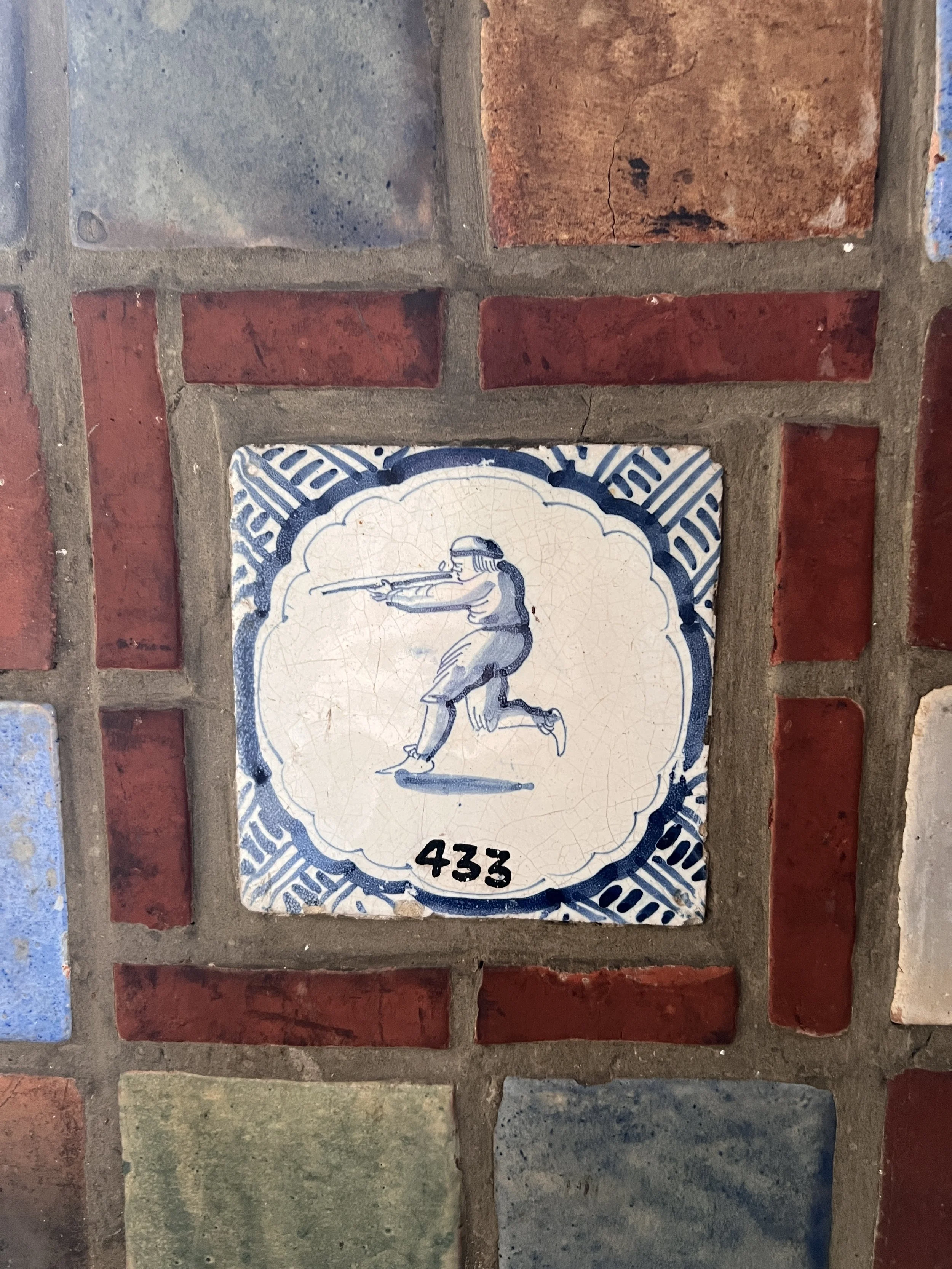
Born into money. Harvard educated. Penn Law. And then, none of that was for him. He traveled, decided he was a renaissance man, and got to work. He did his own archaeology and preservation work, which eventually became a museum housing thousands of tools he collected to document the history of human industry. He started the Moravian Pottery and Tile Works in the early 1900s, still in operation today. He helped found the Bucks County Historical Society. He designed and built Fonthill himself with no architectural training, no contractor running the show — along with the pottery studio and a six-story museum for his tool collection.
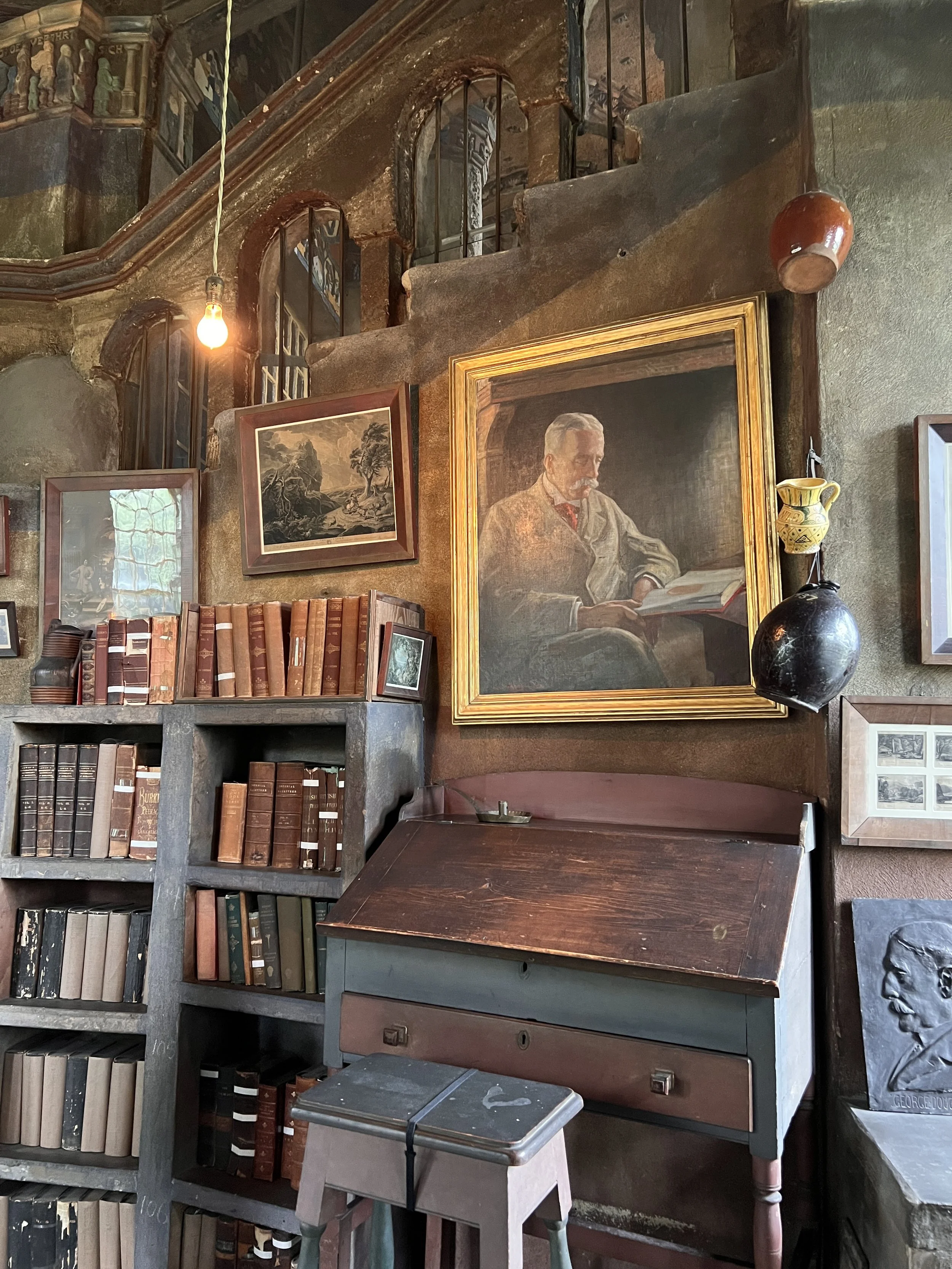
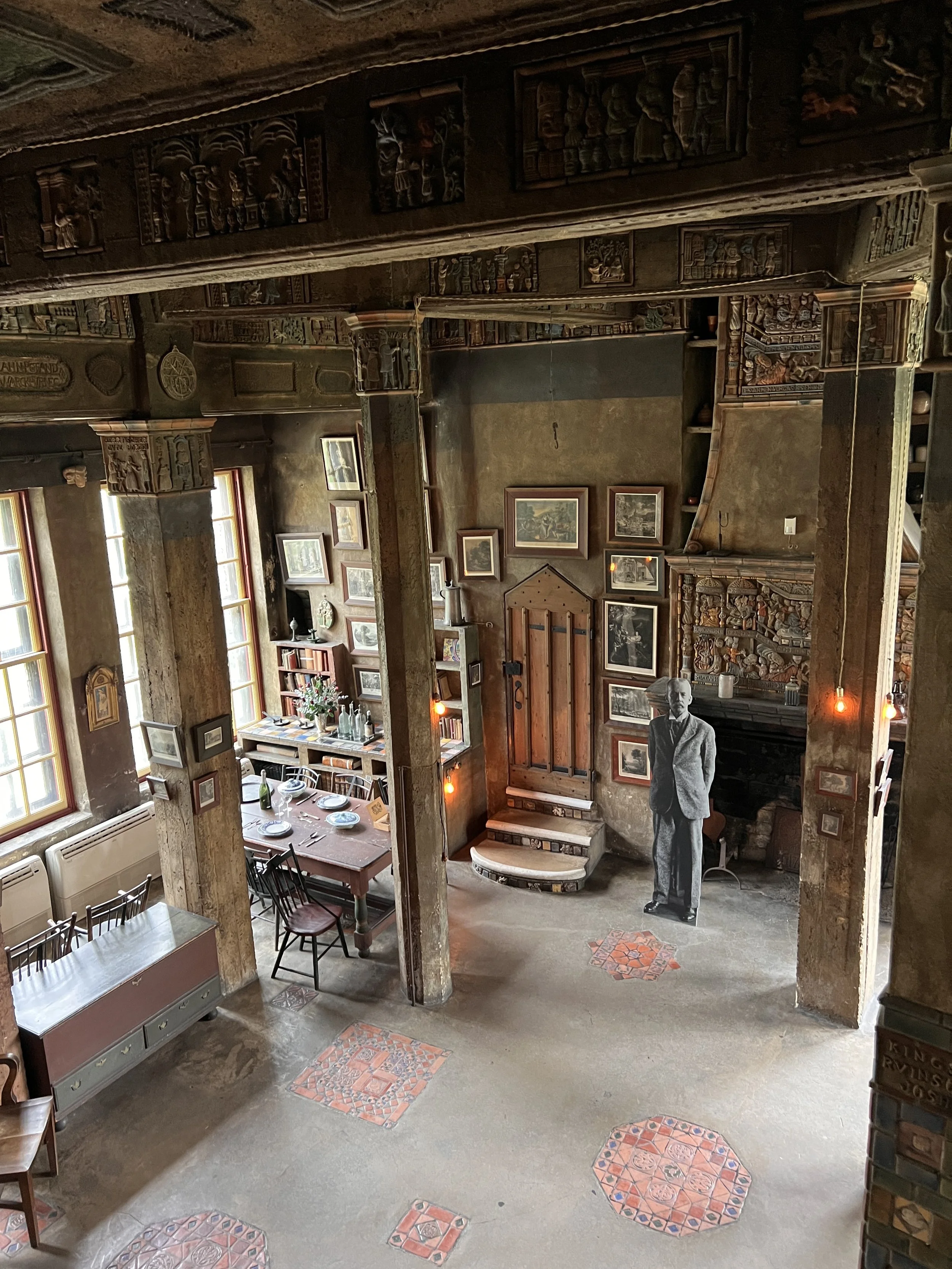
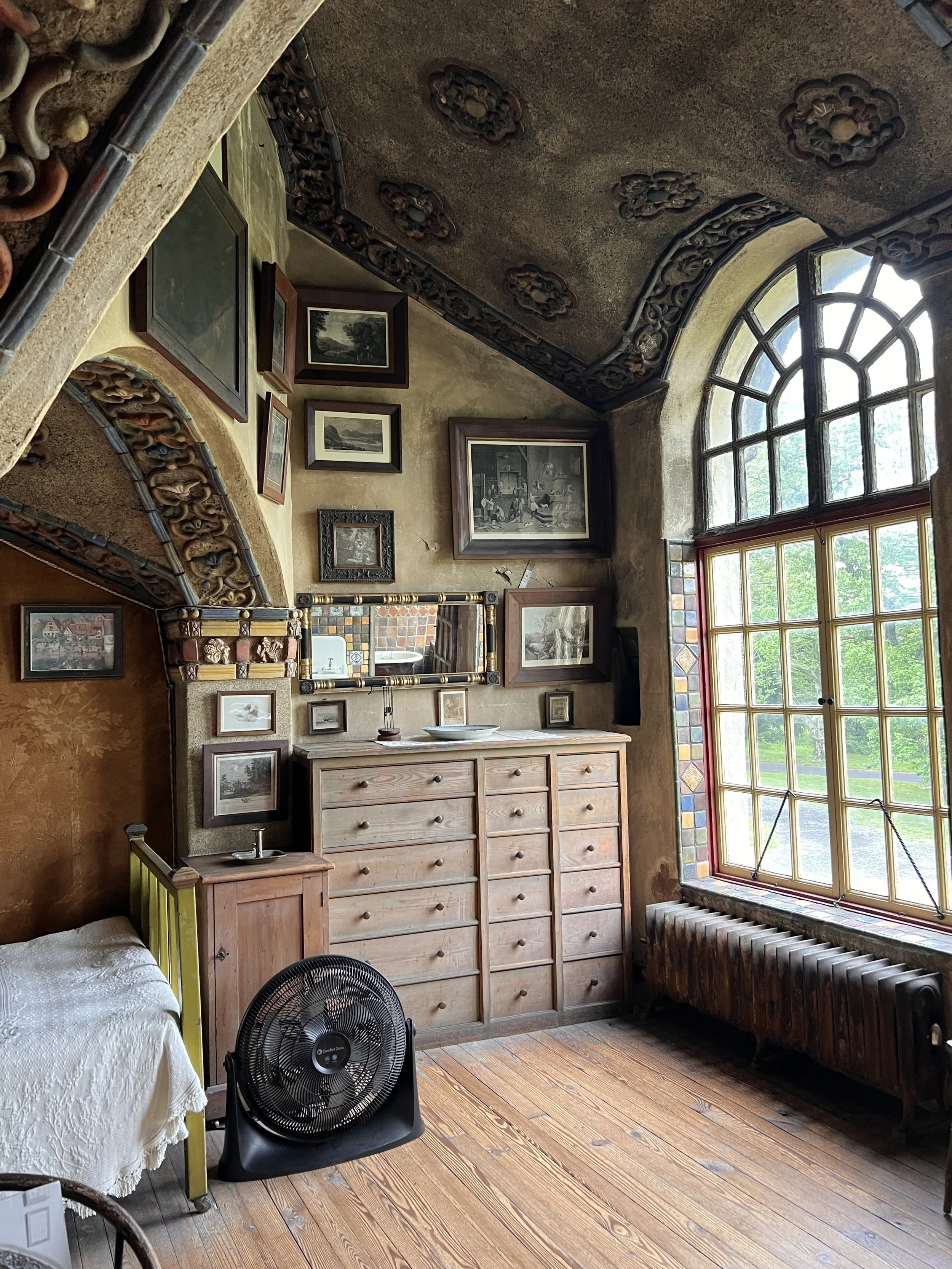
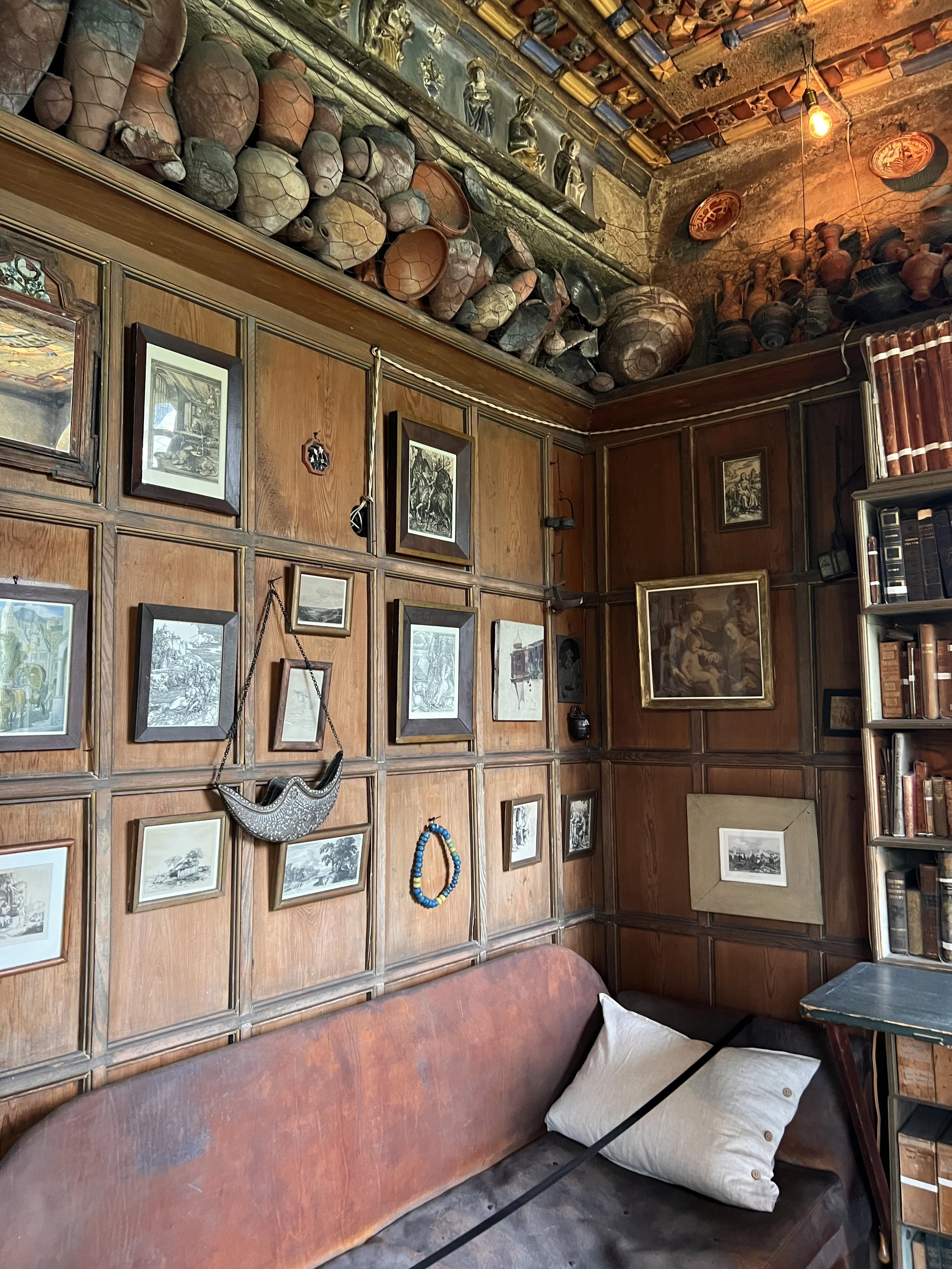
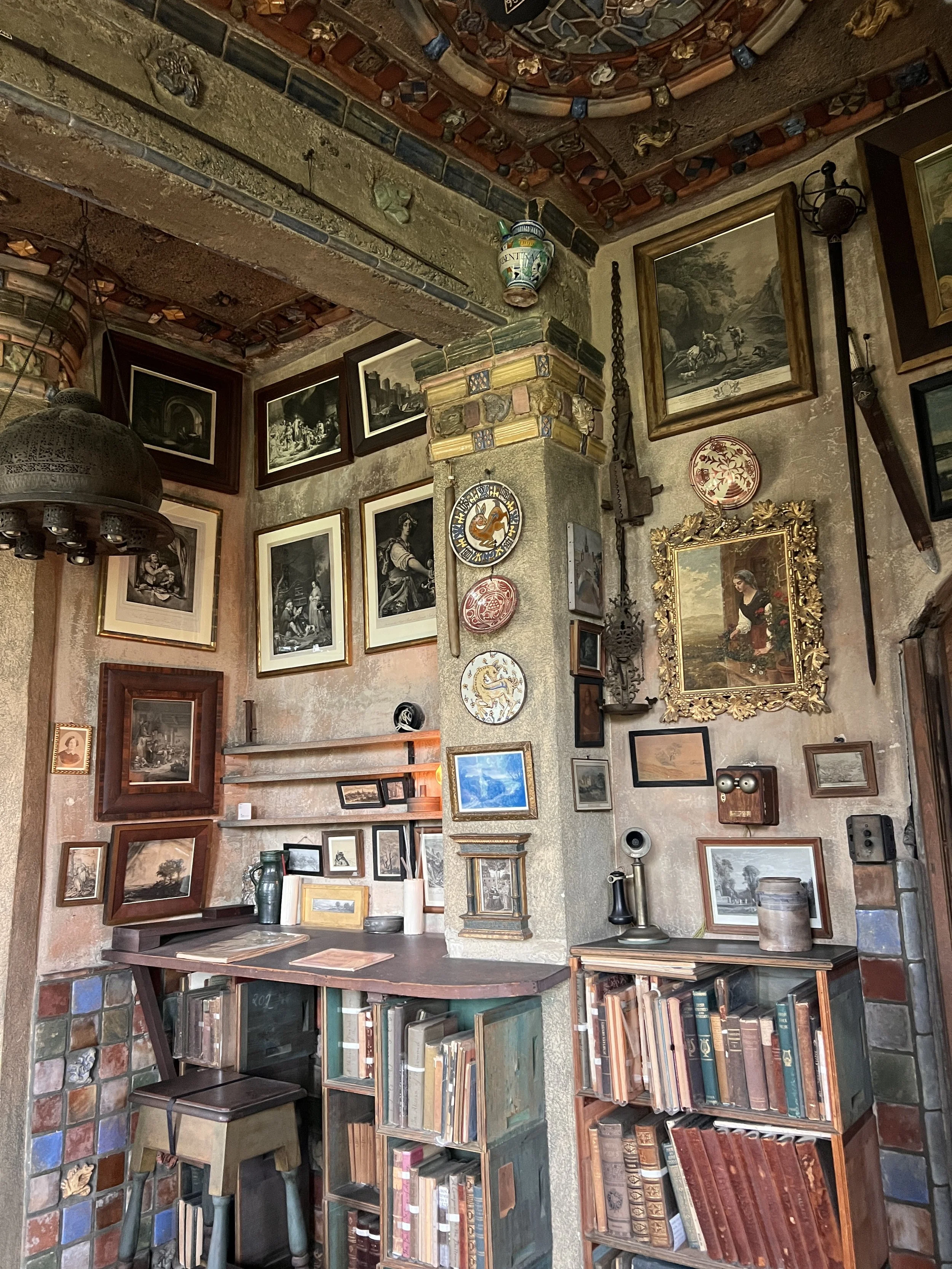
The house shows all of that. It is a maze in the best possible way. You think you're going downstairs and then you're up. You think you've found the front door and then you haven't. There is no logic to it and somehow that becomes the point. The journey of it, the creativity of it, the sheer chutzpah of a man who decided he would just build a castle and fill it with everything he loved.
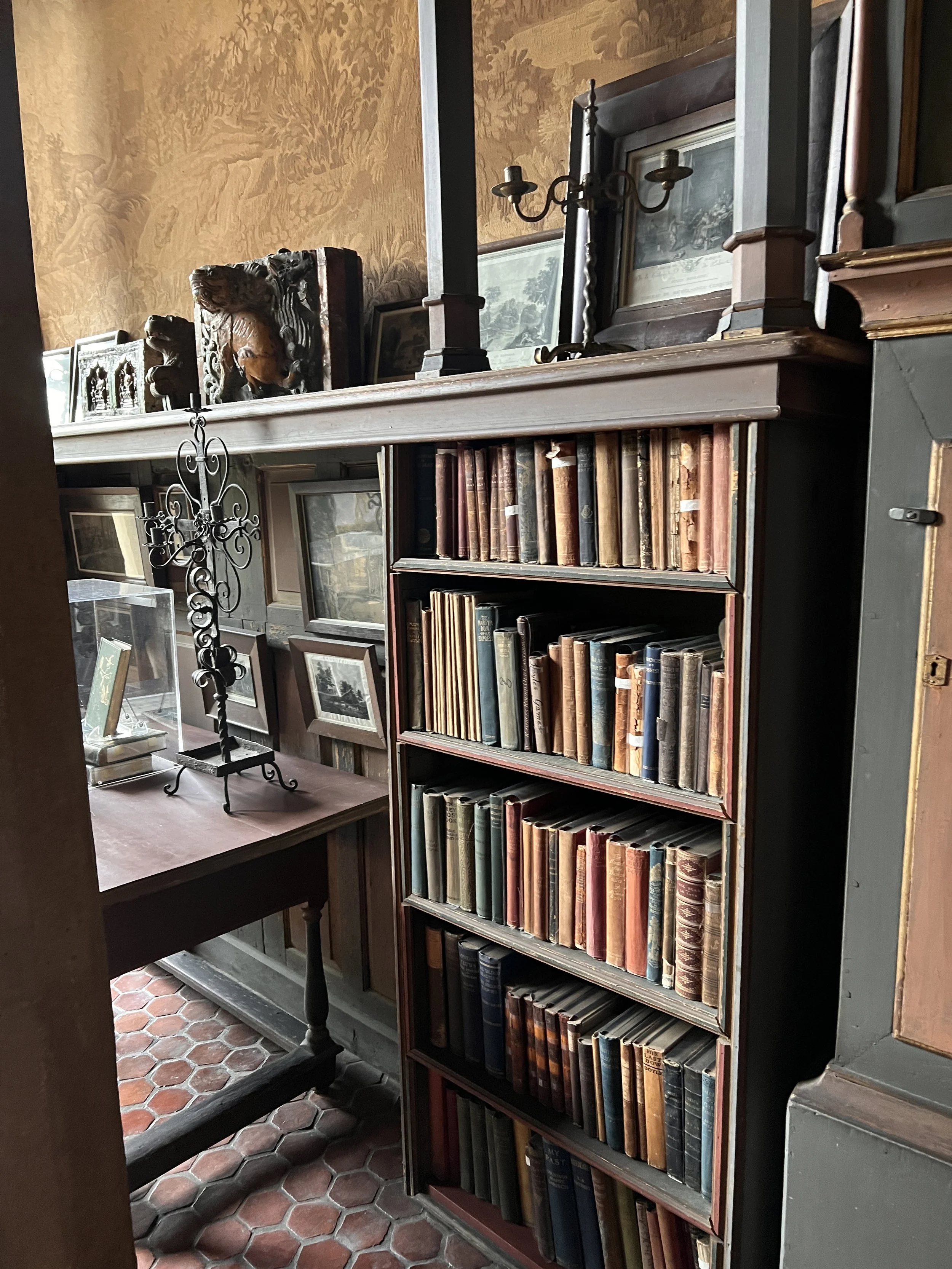
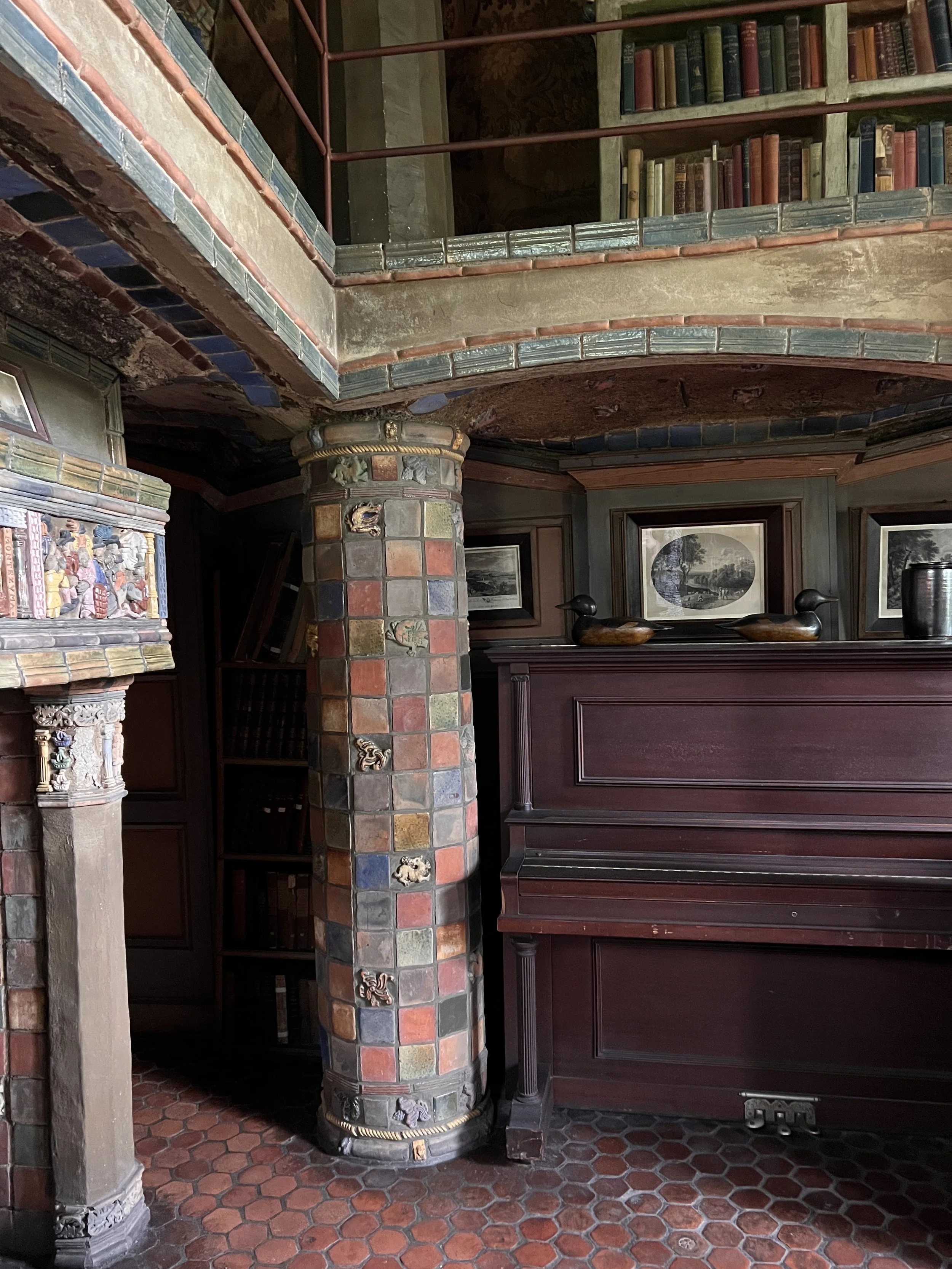
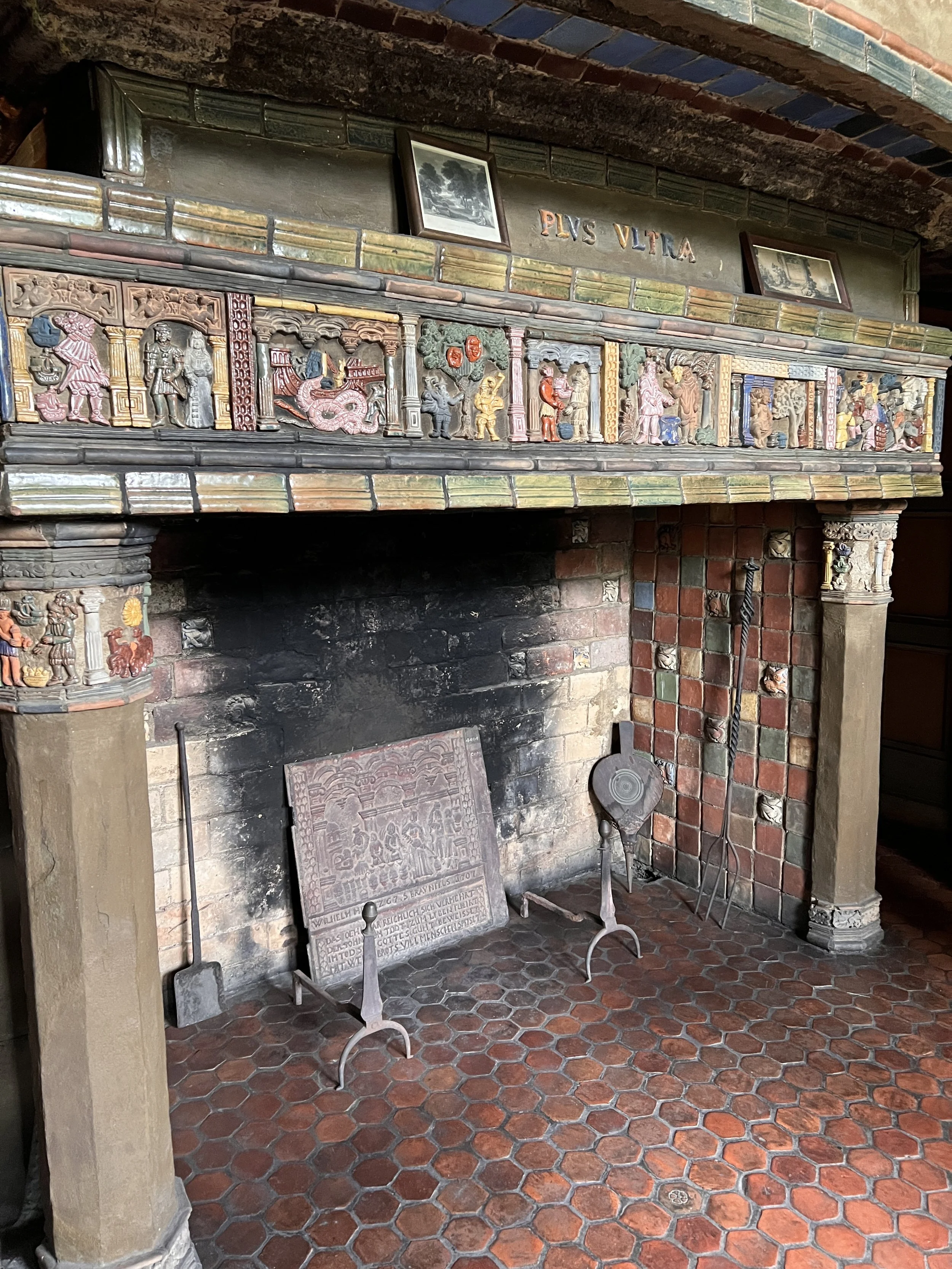
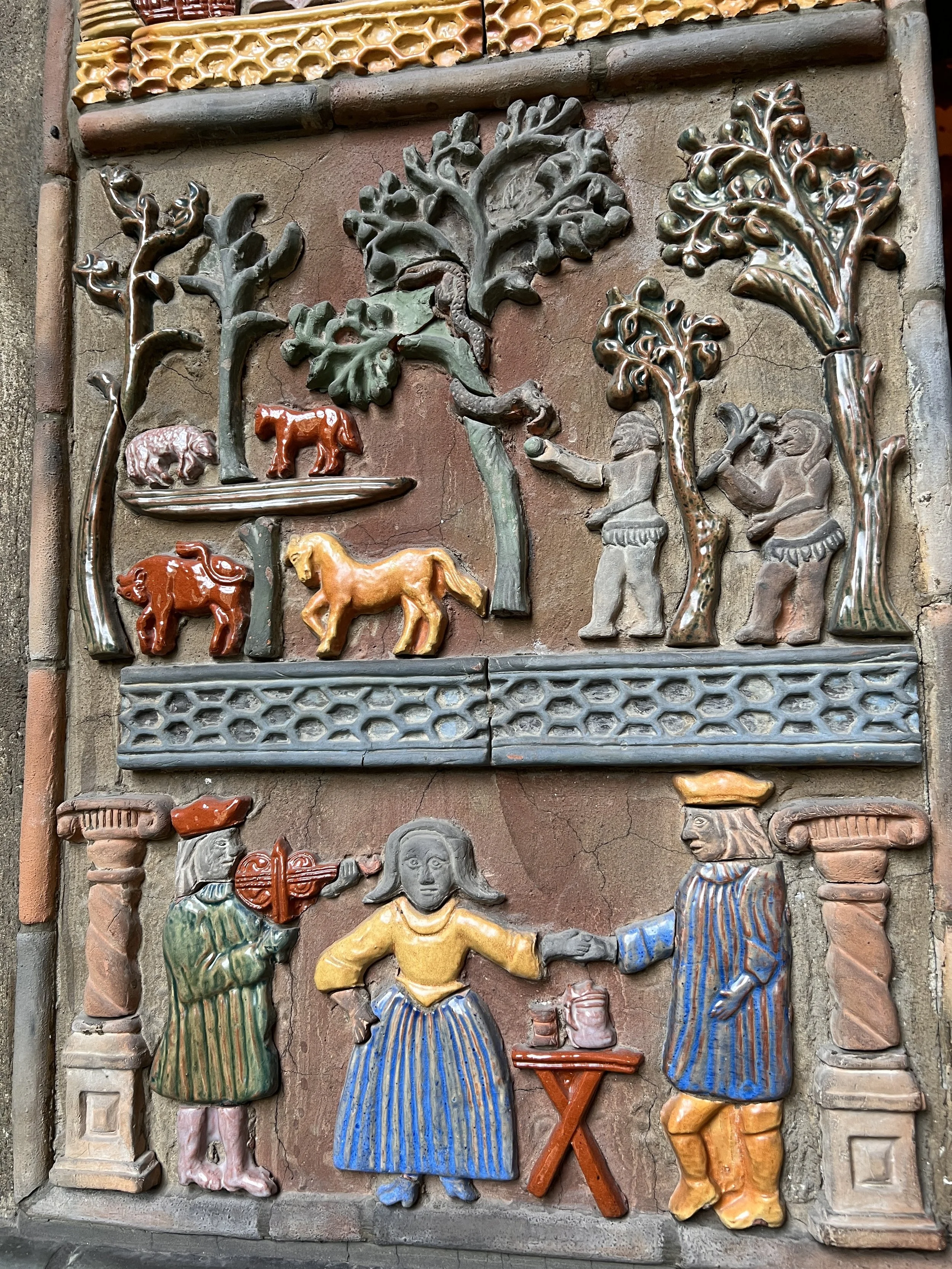
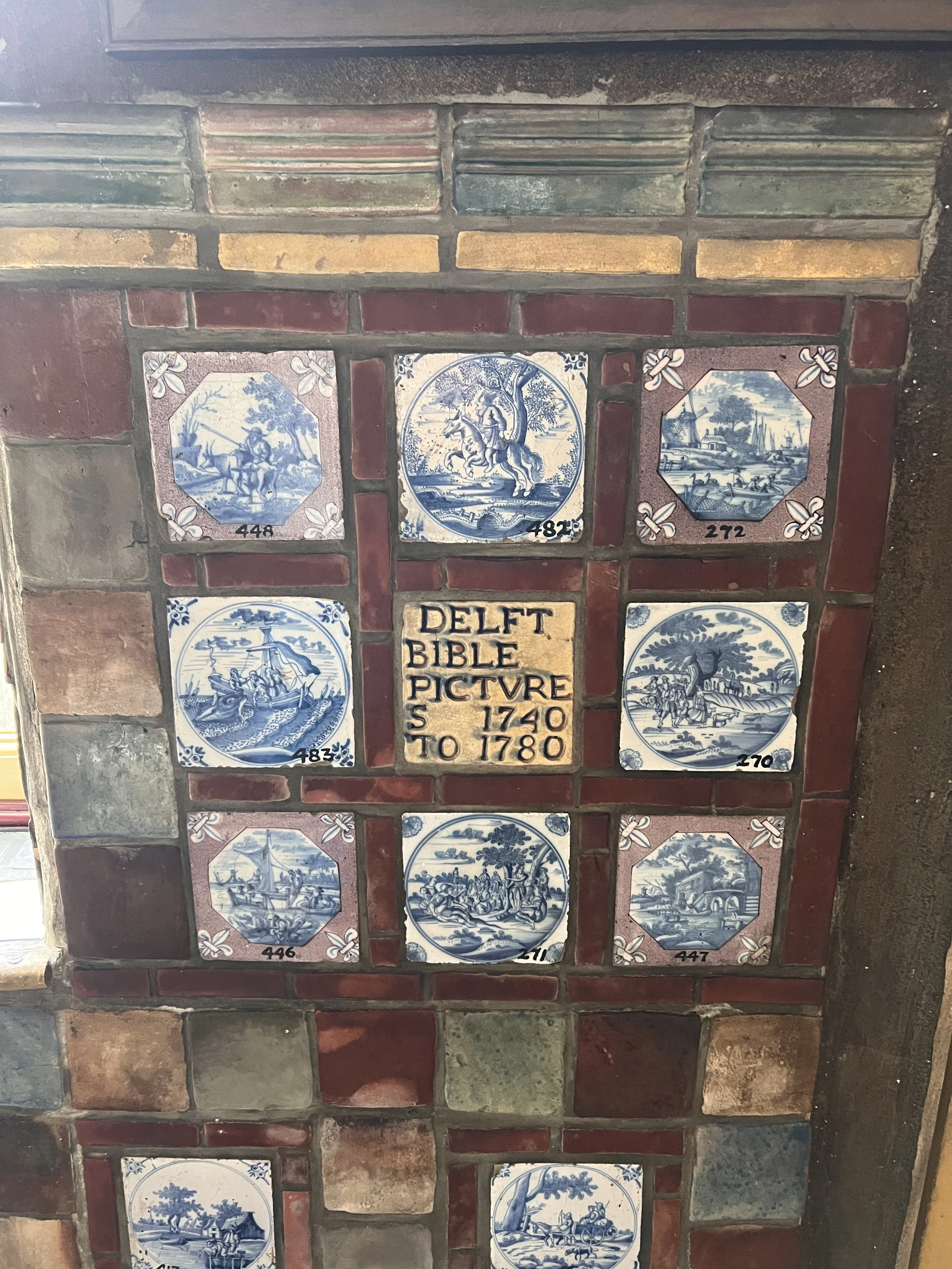
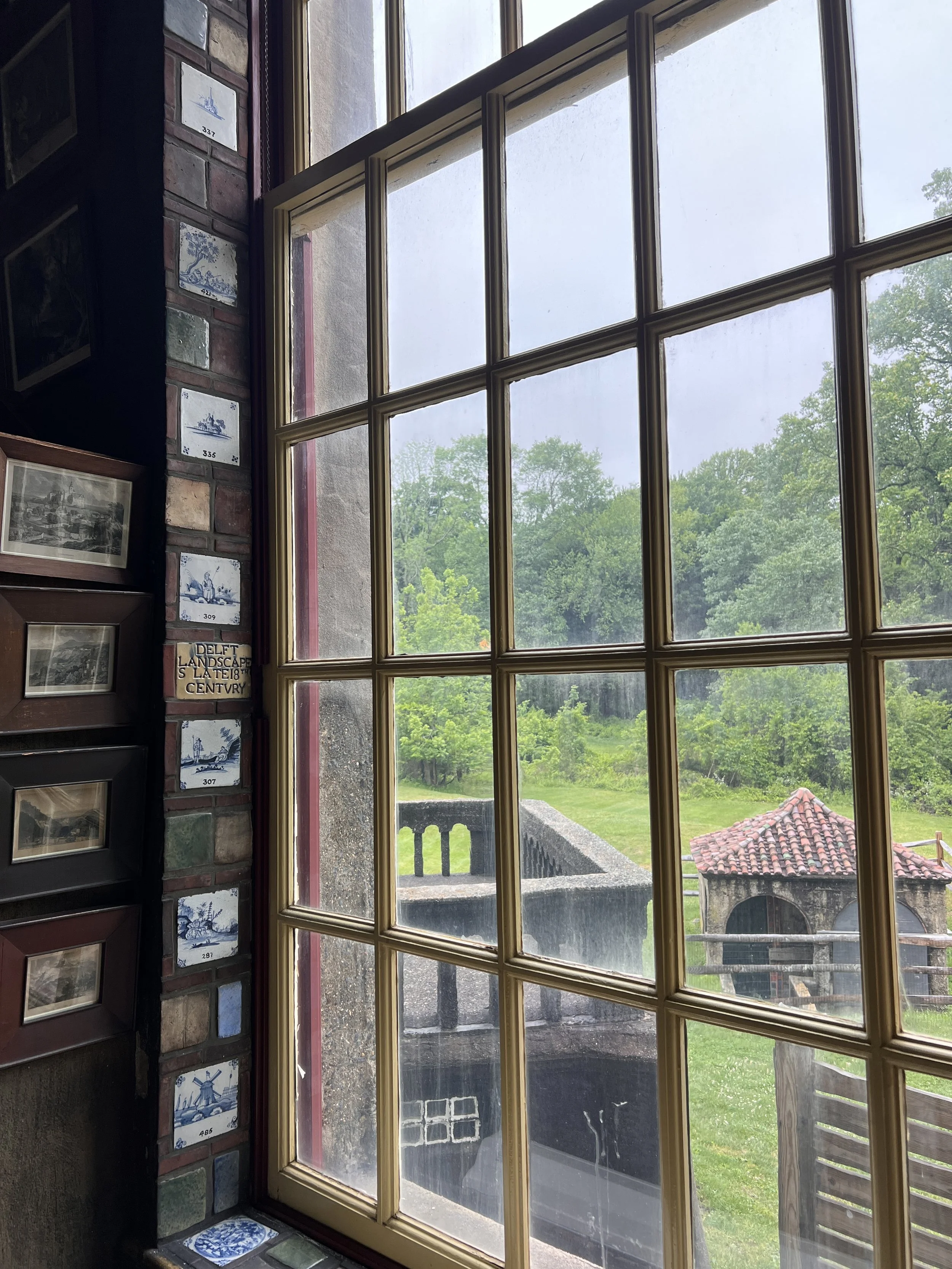
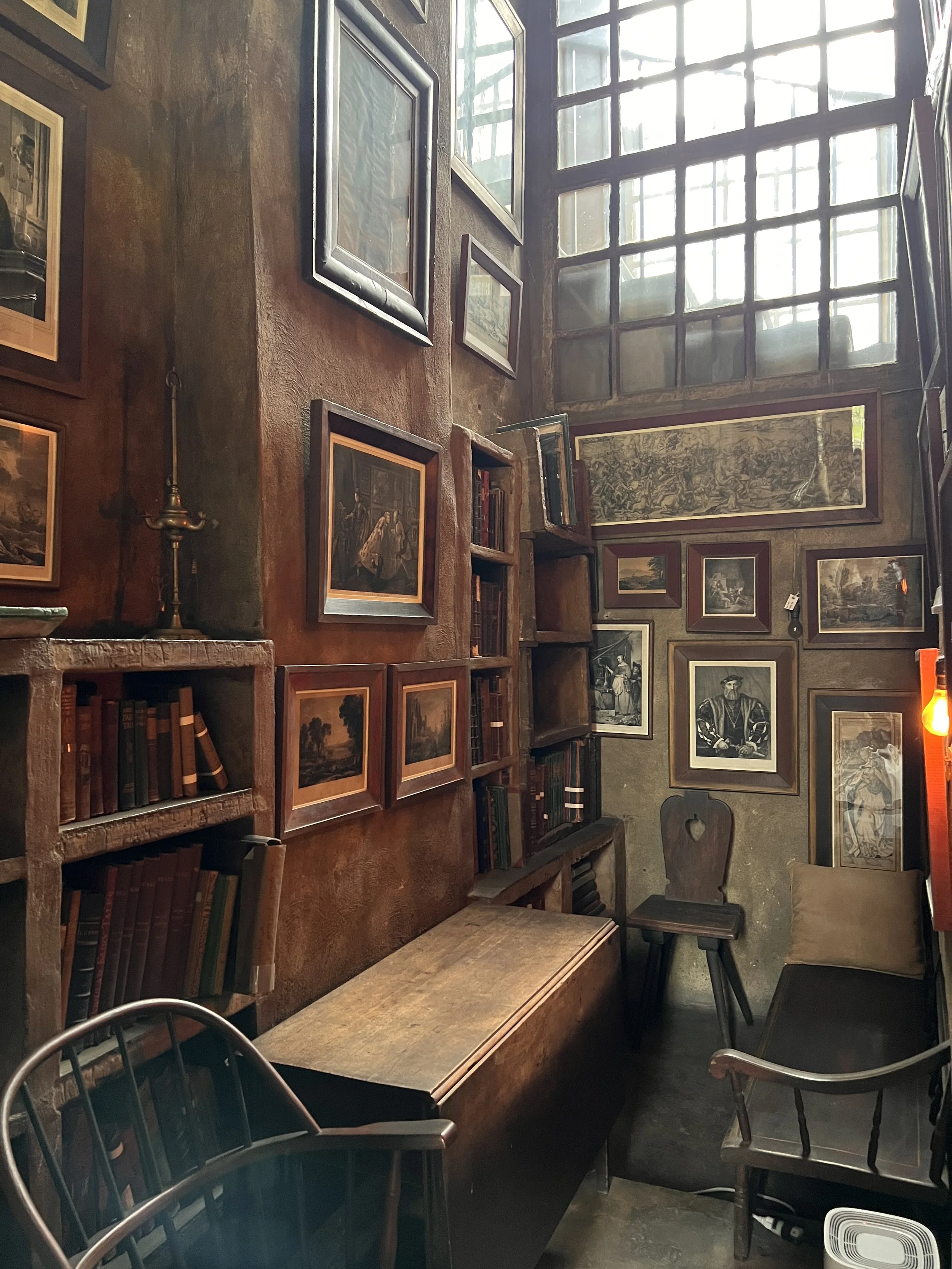
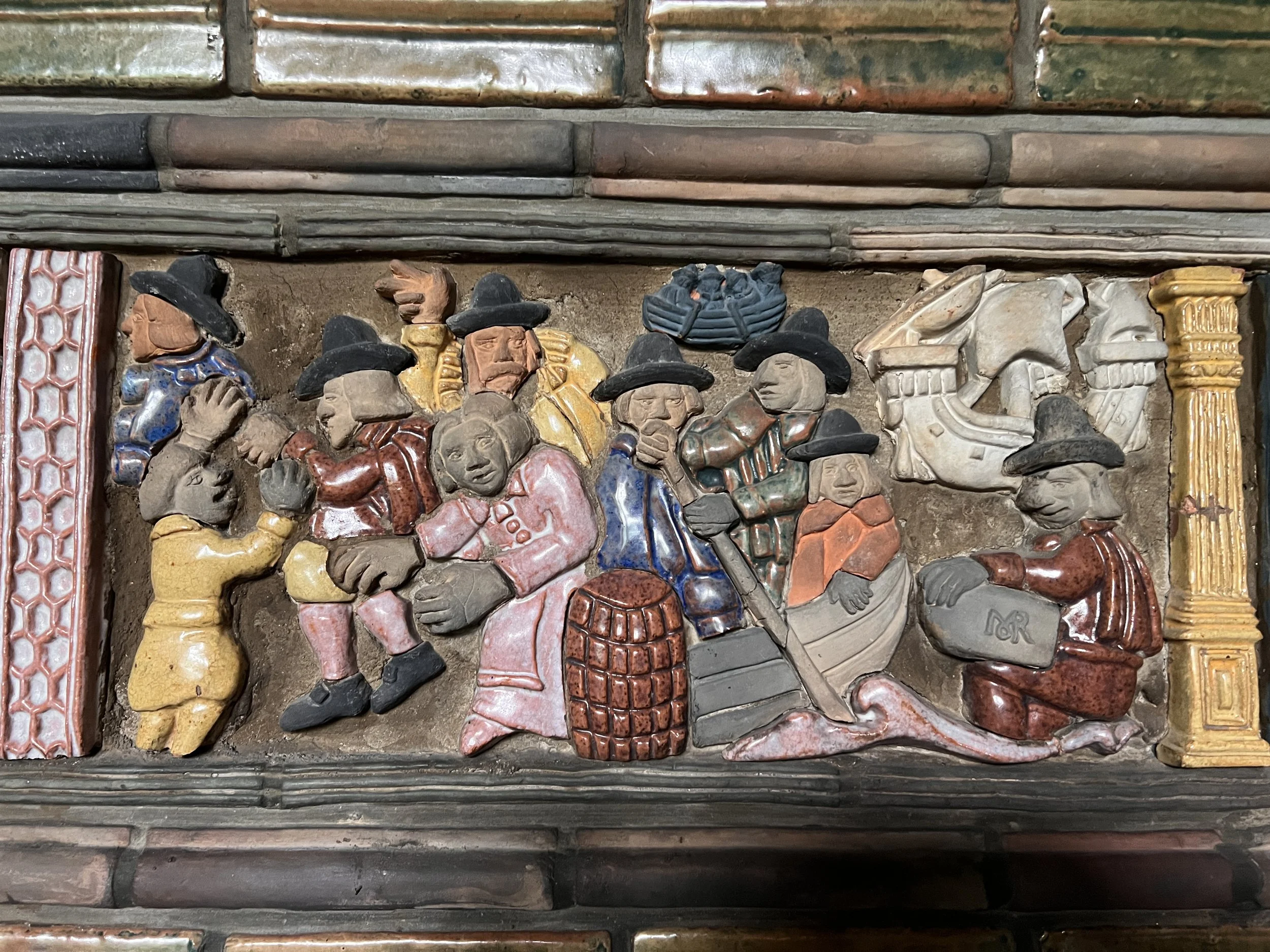
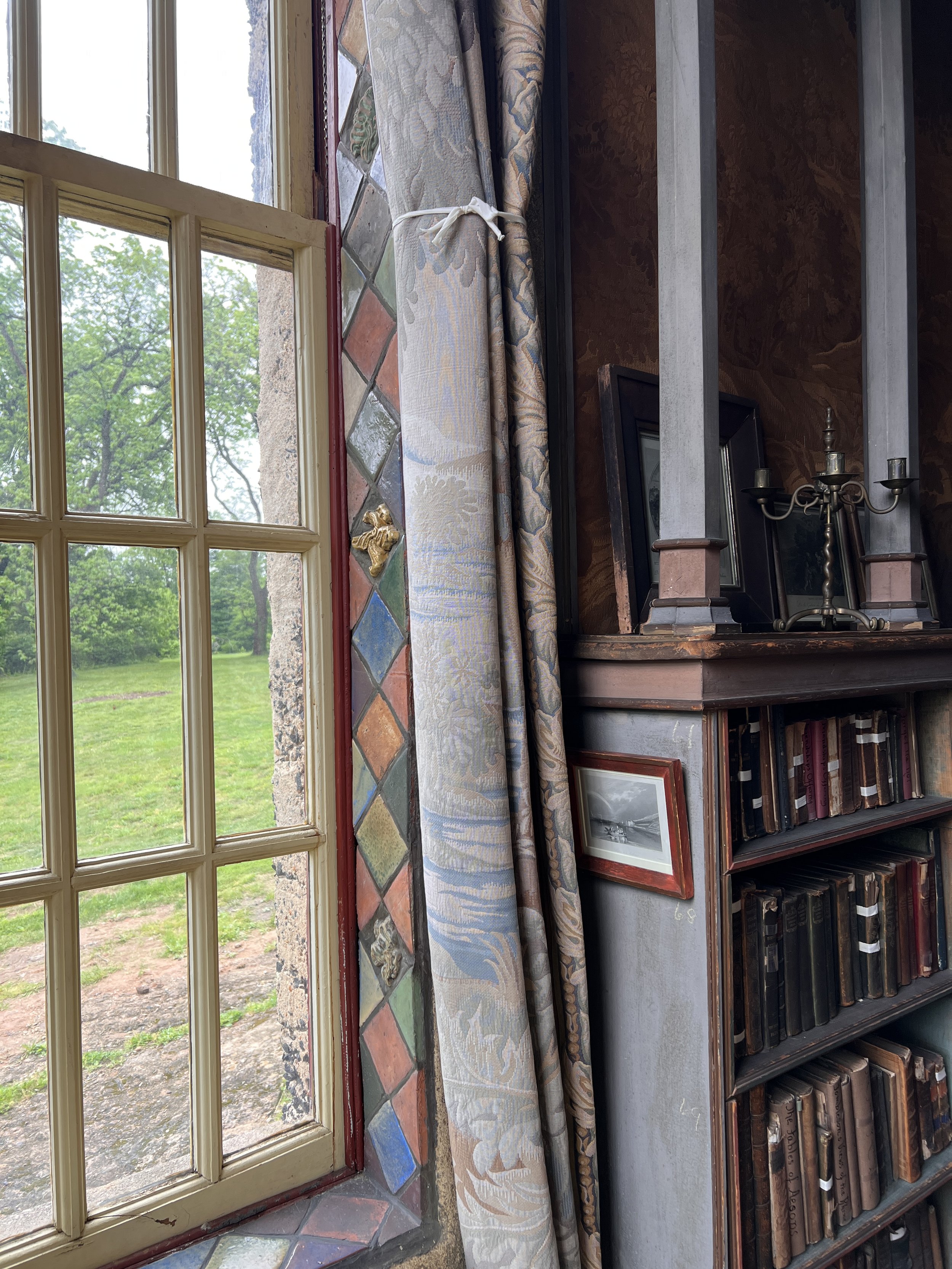
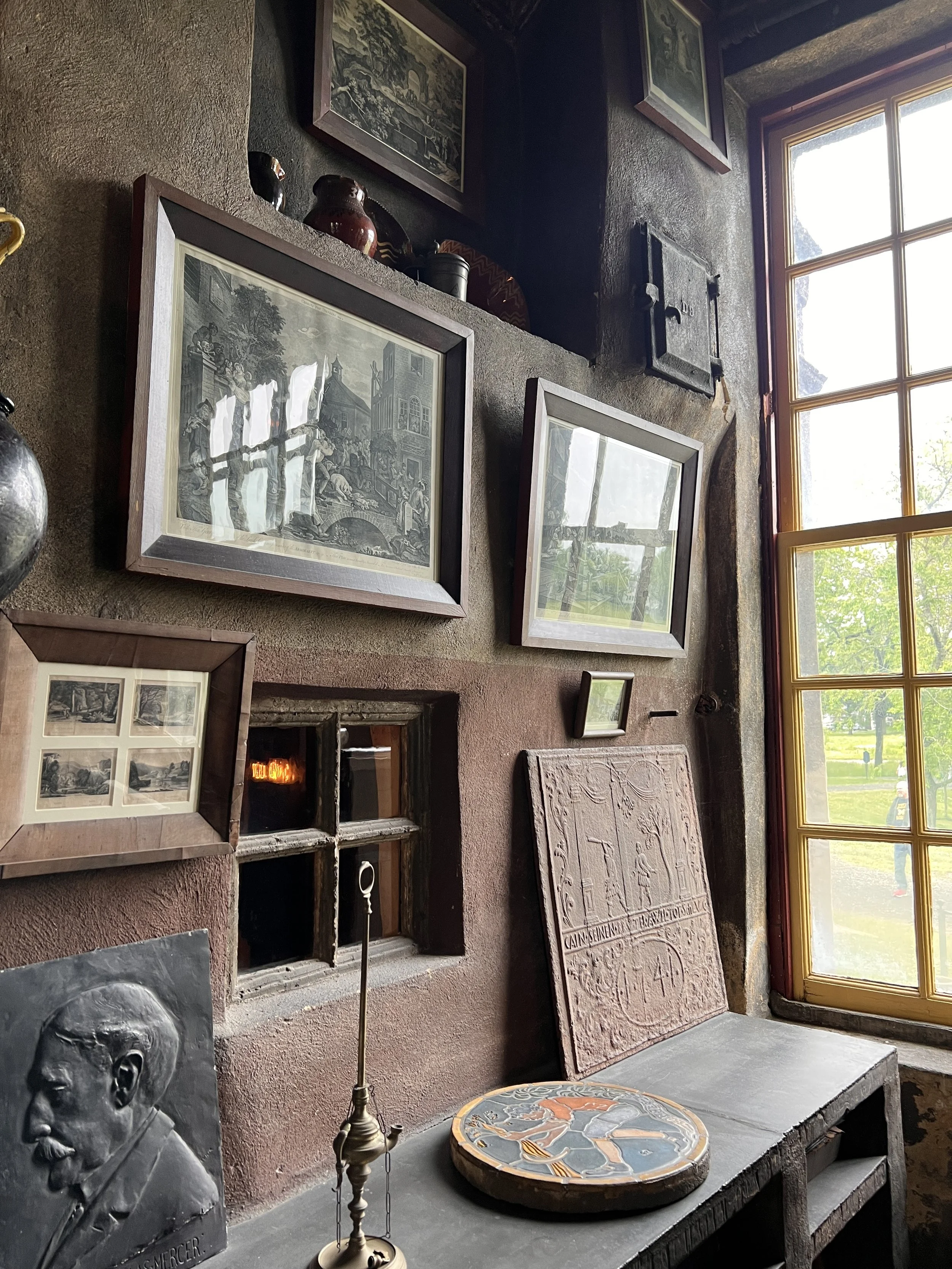
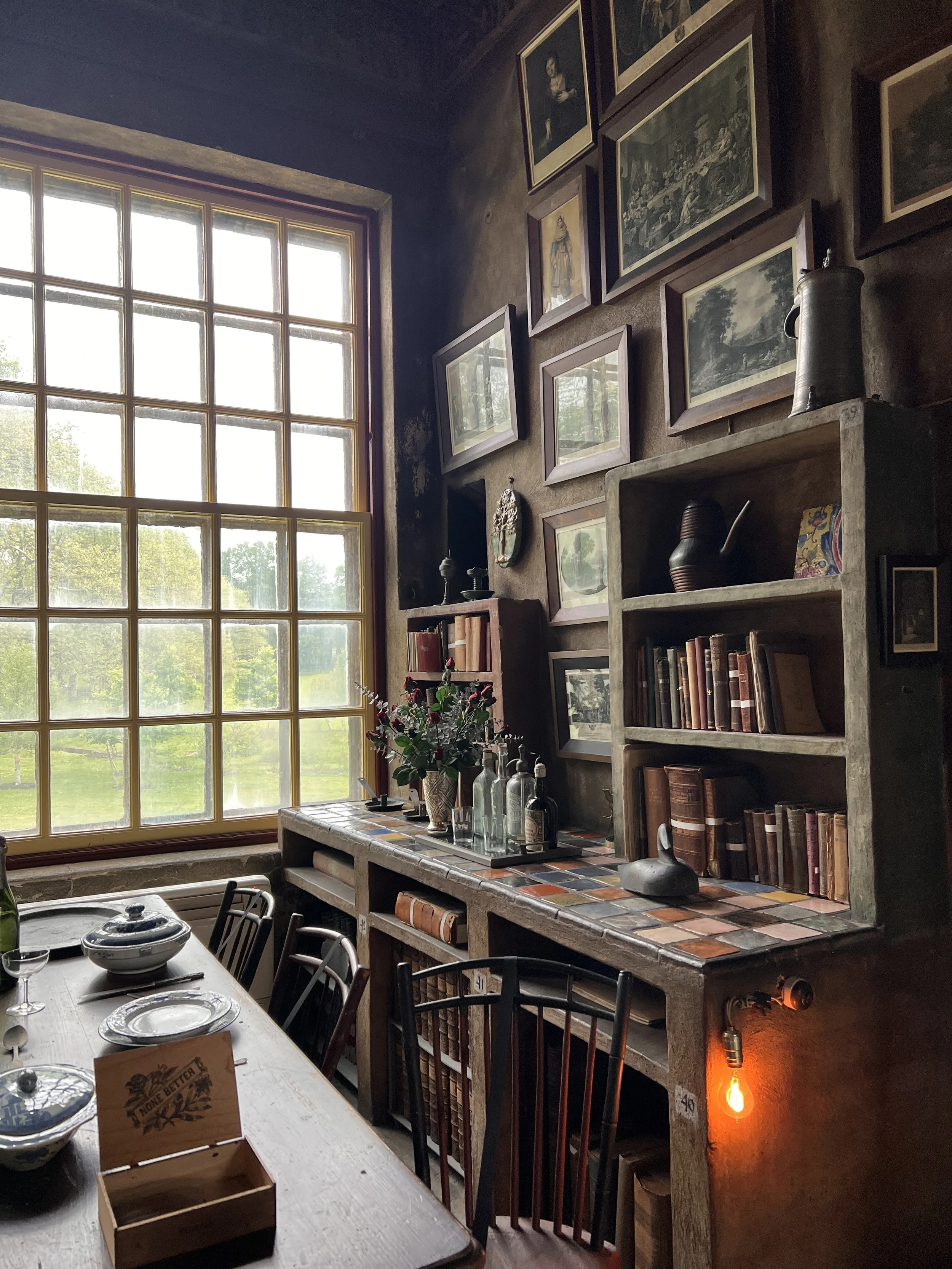
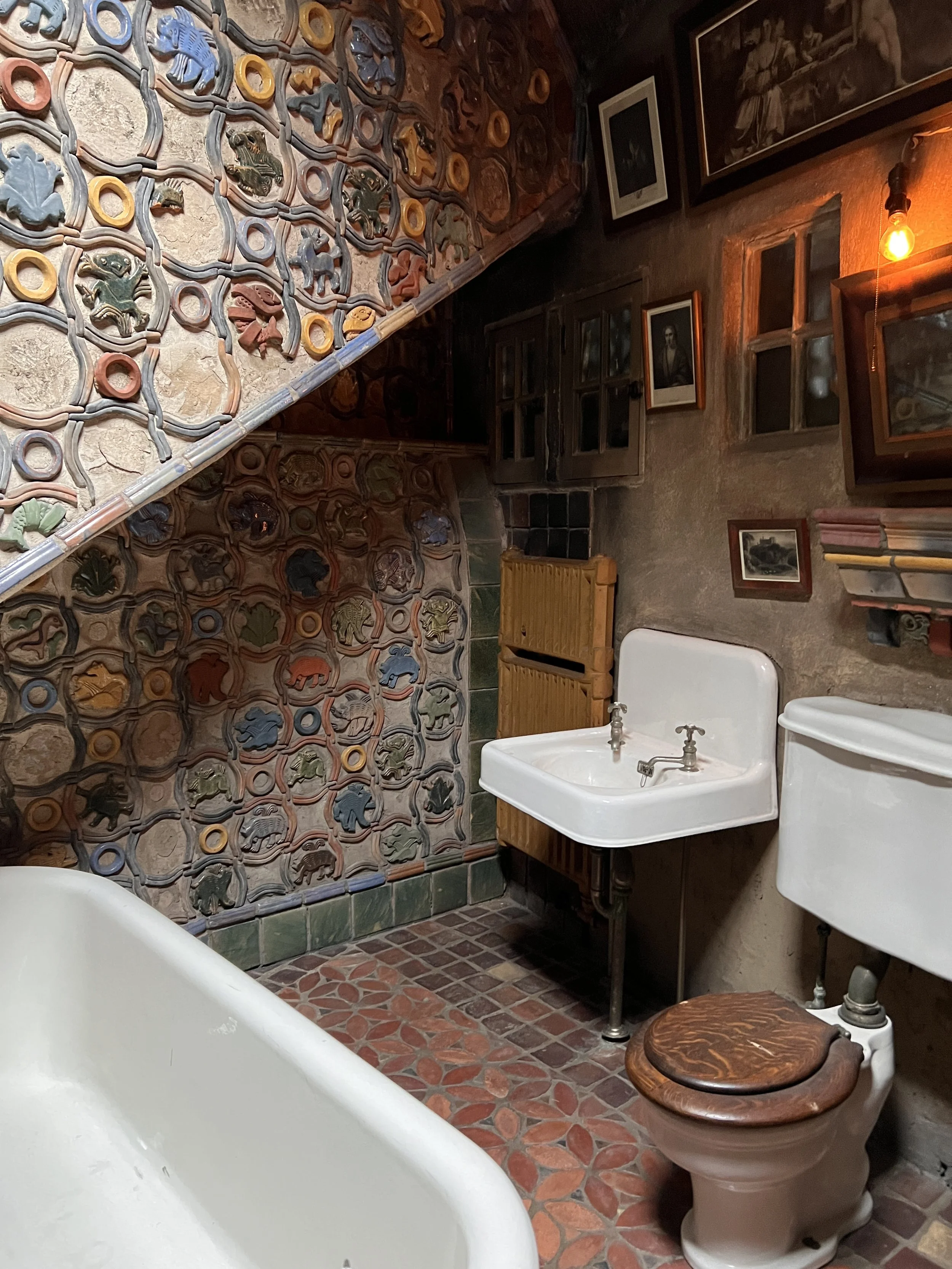
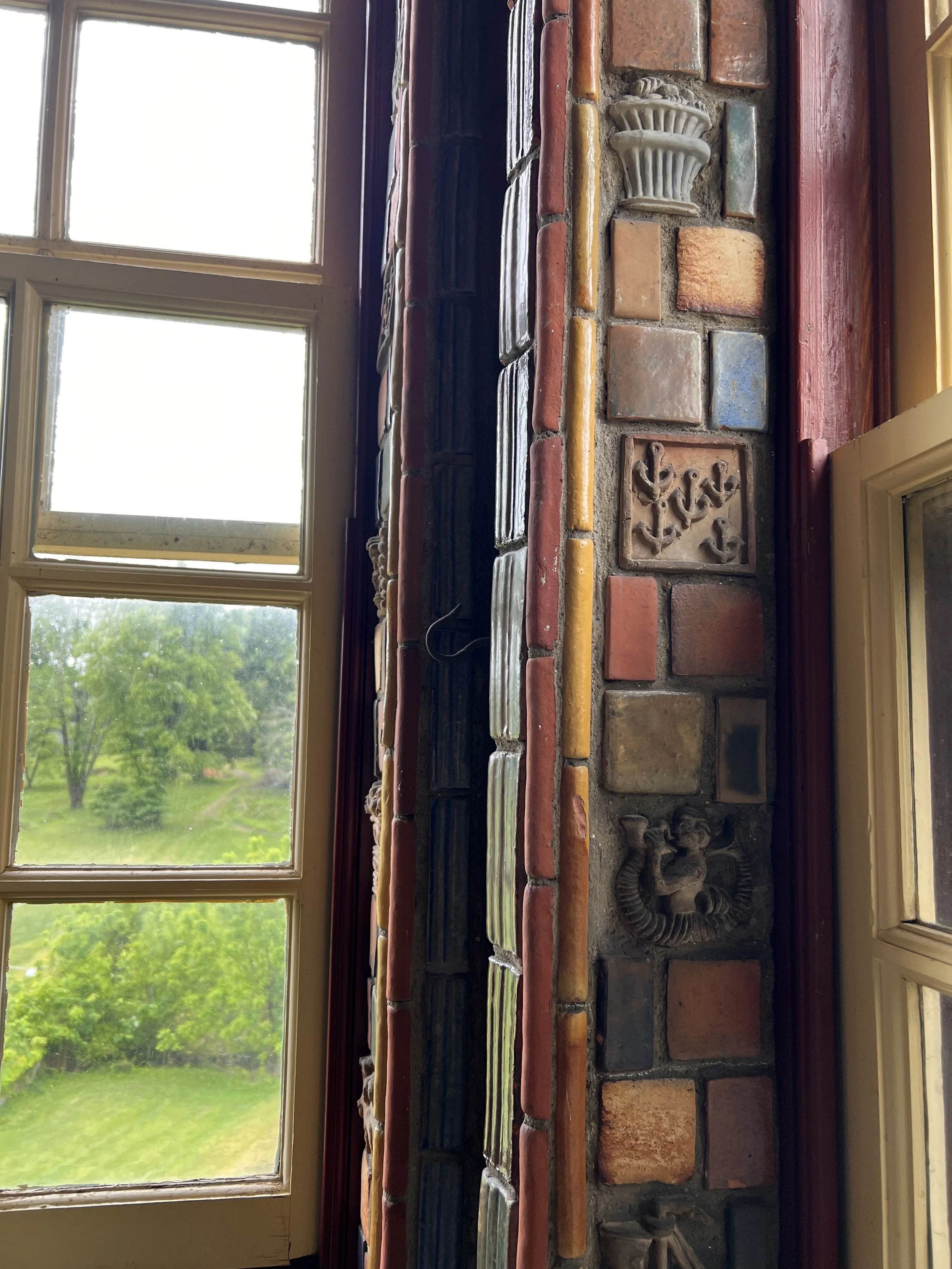
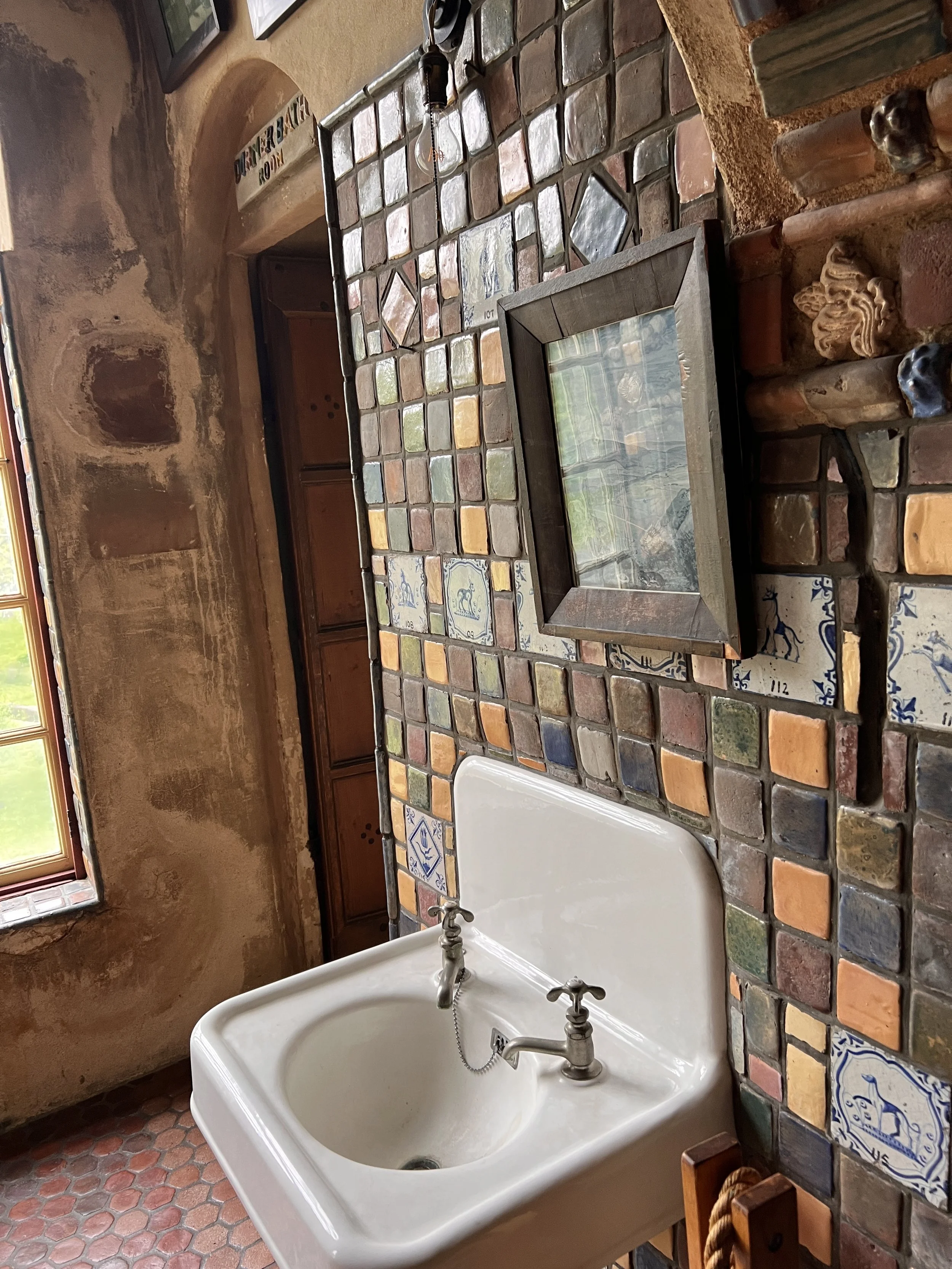
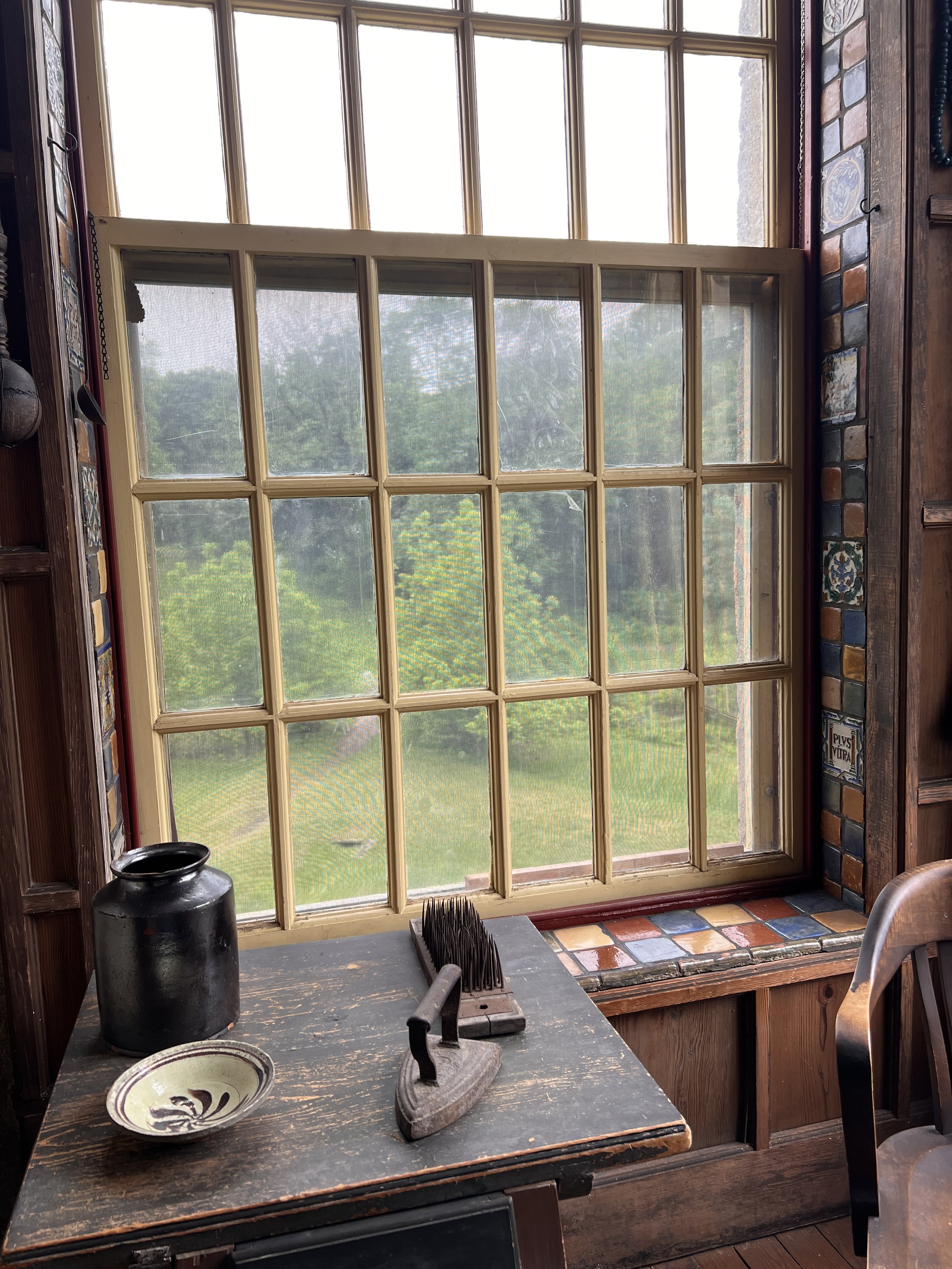
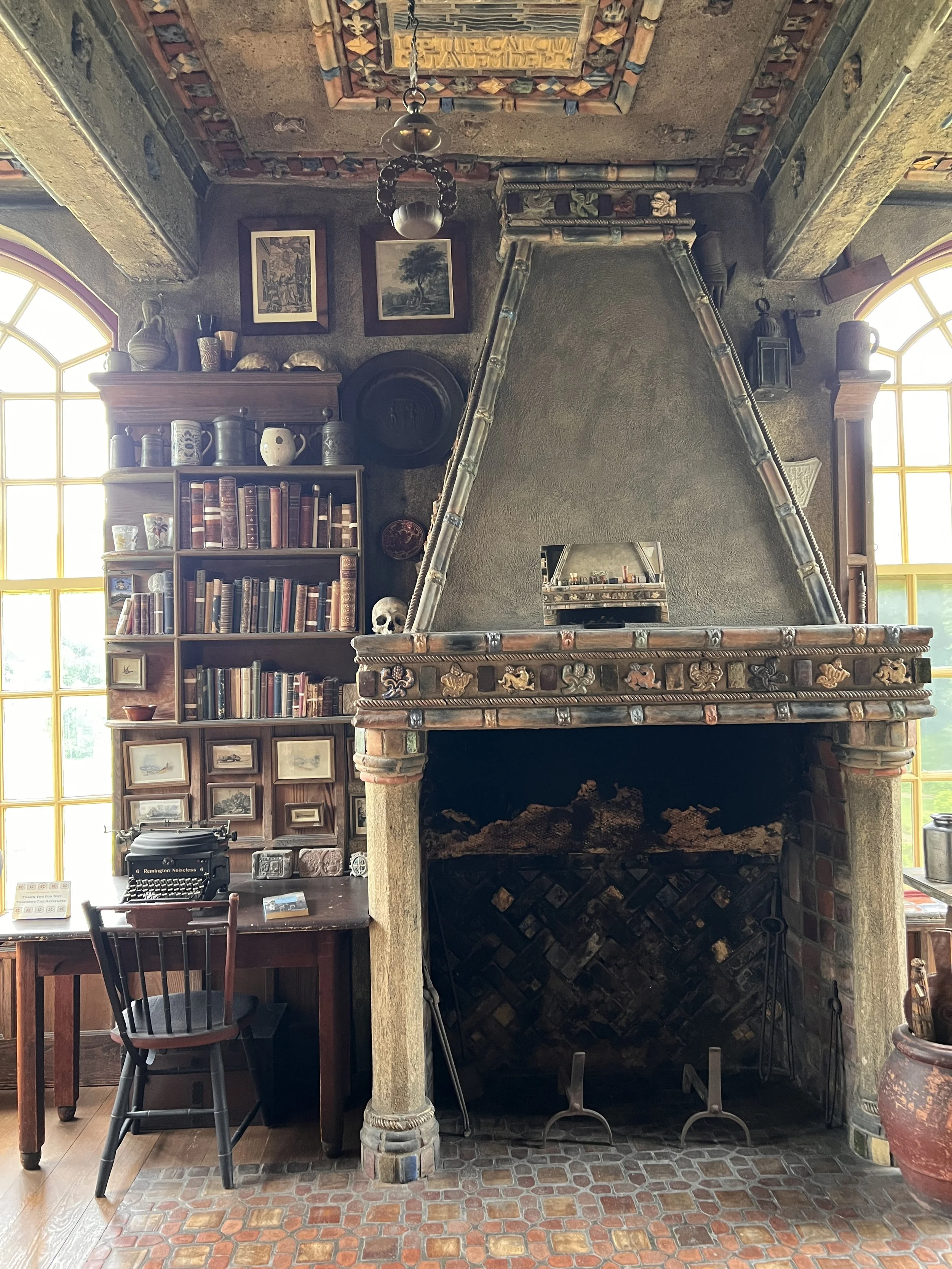
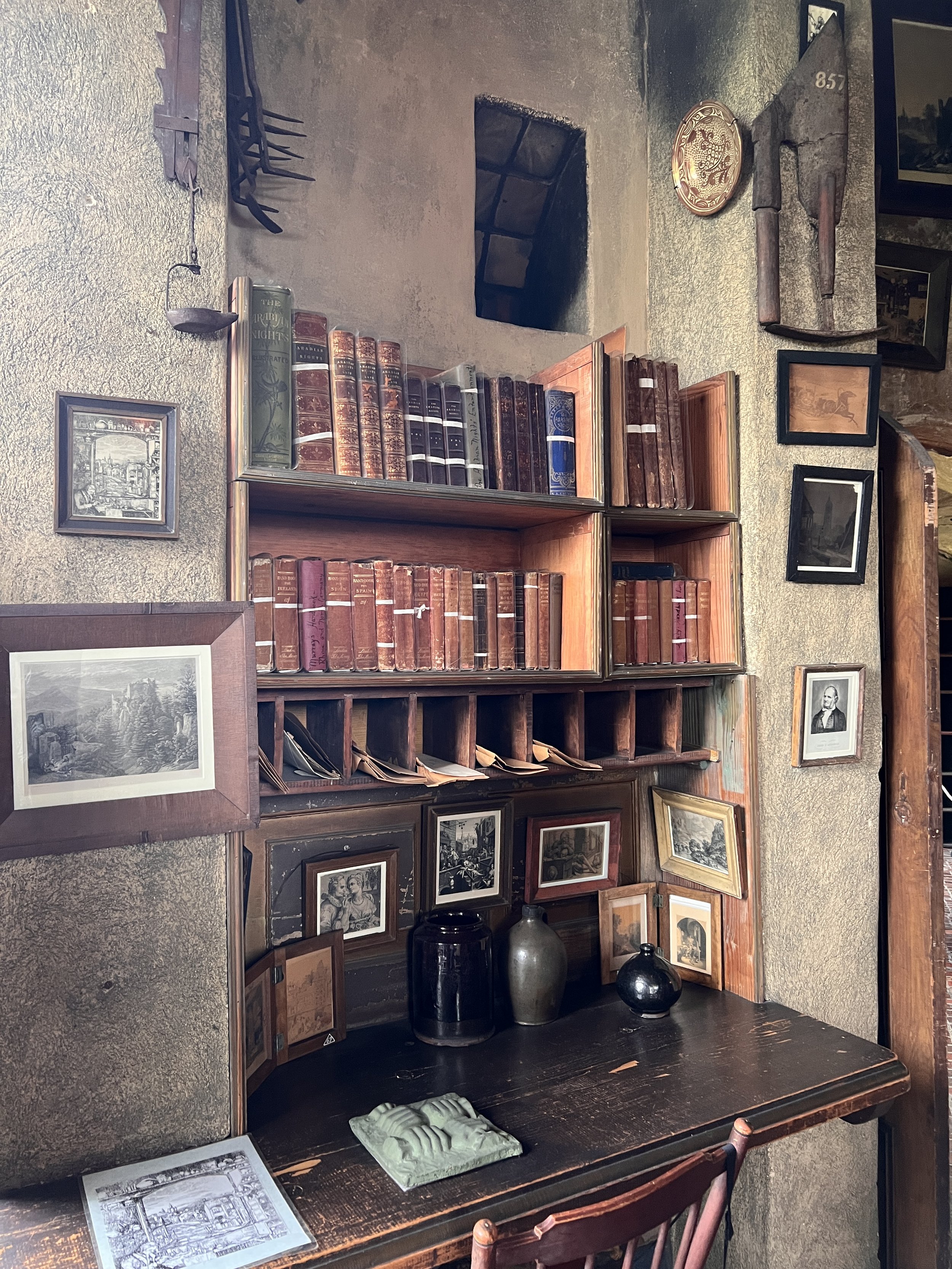
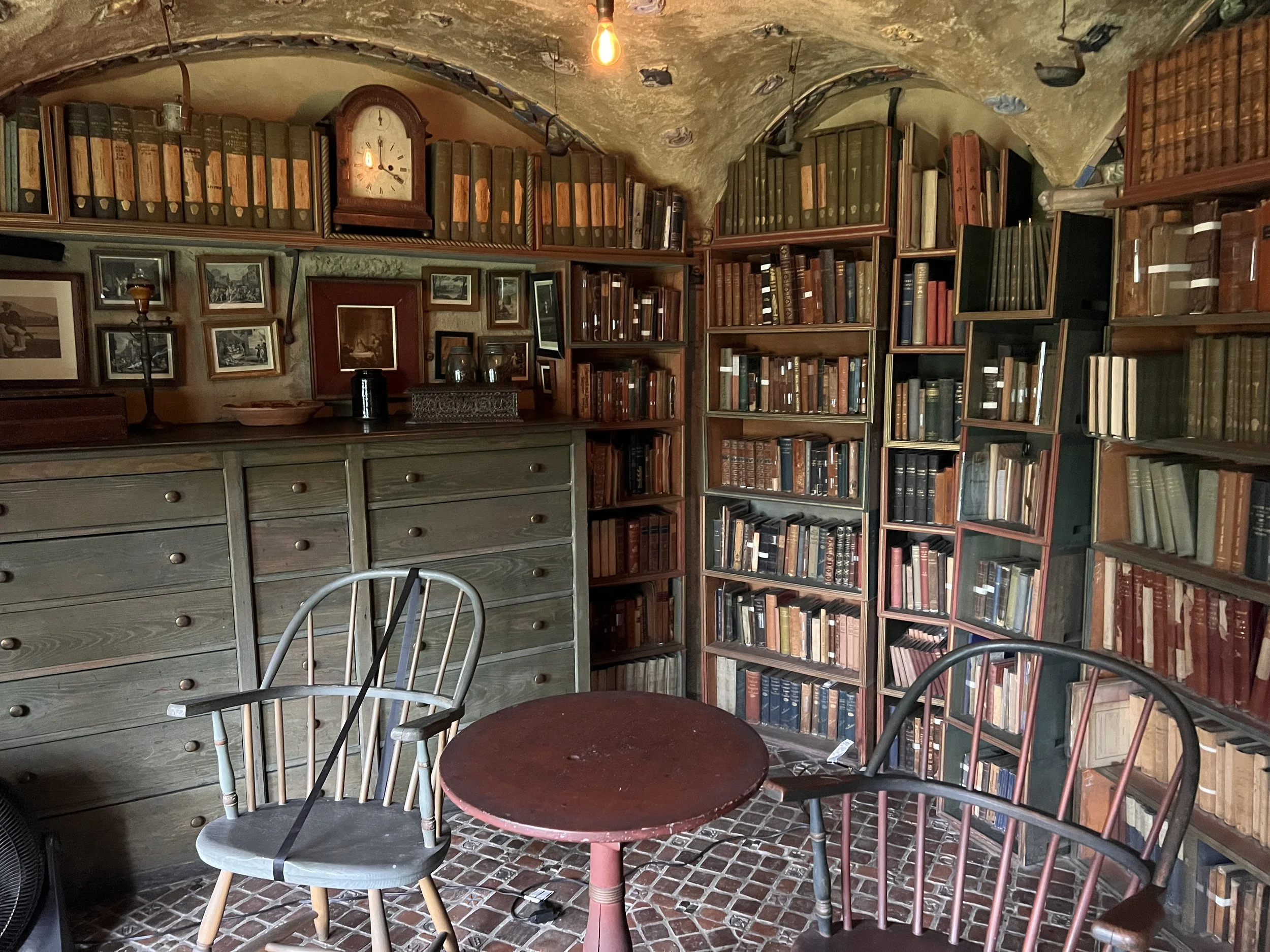
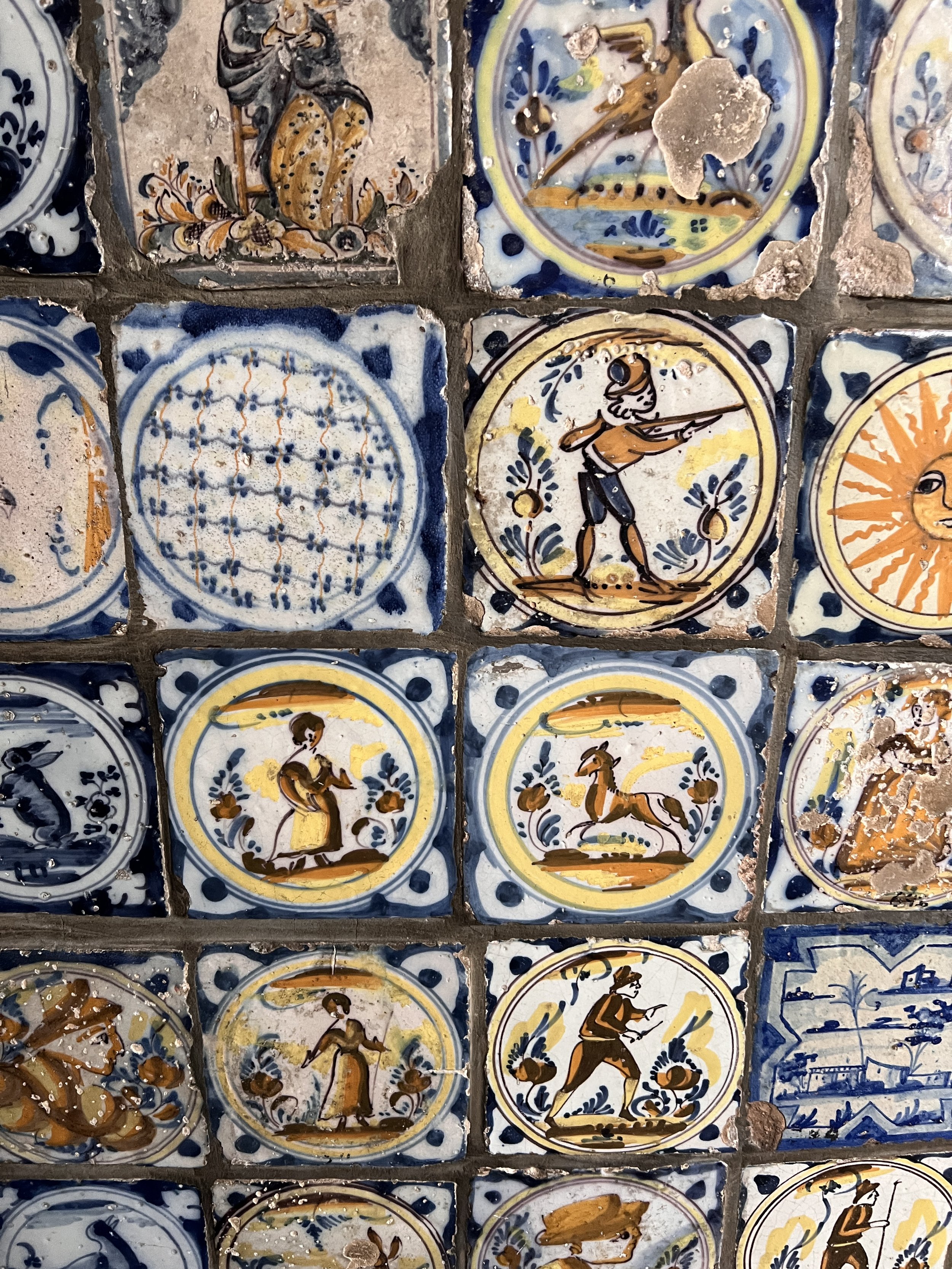
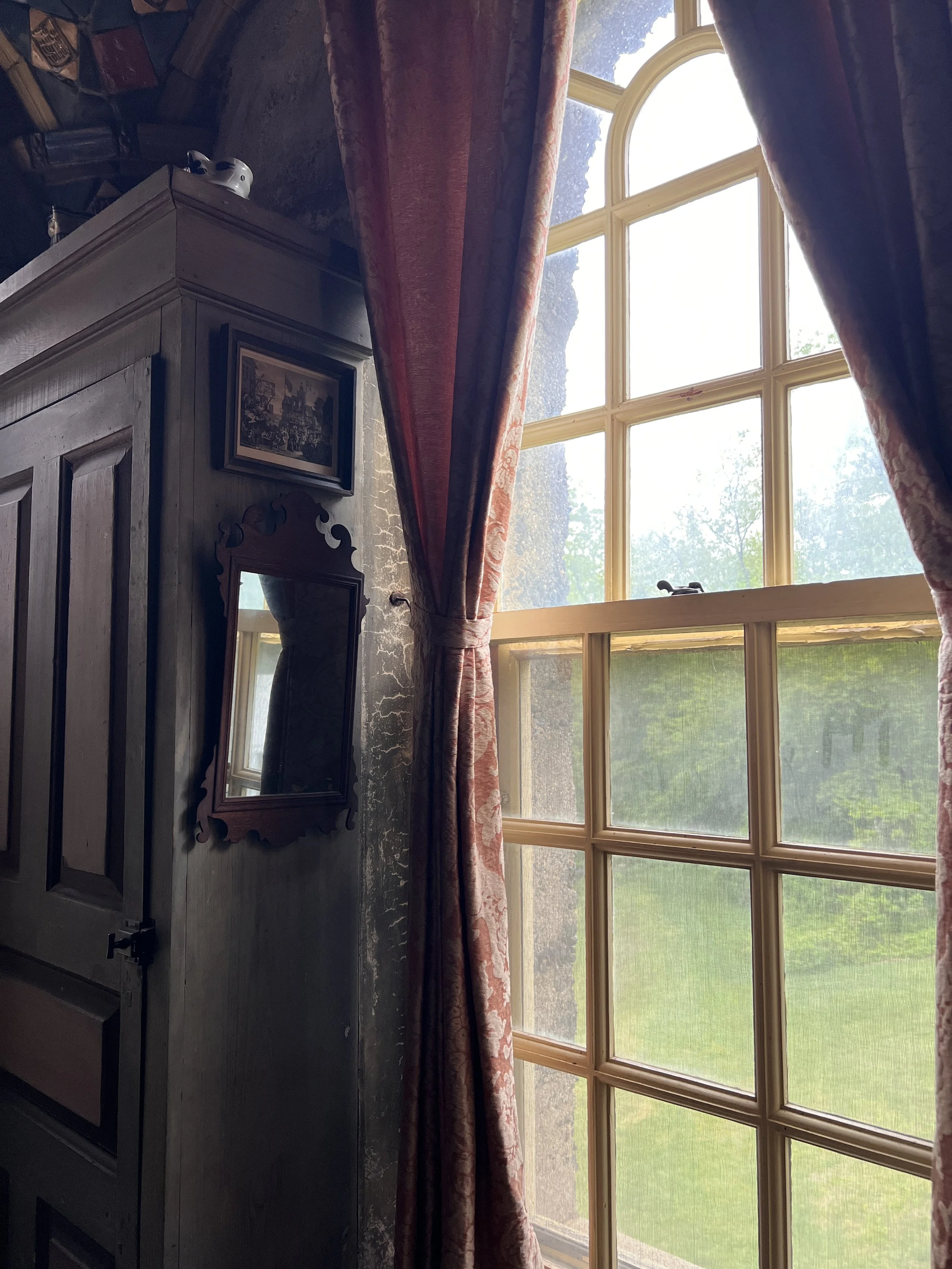
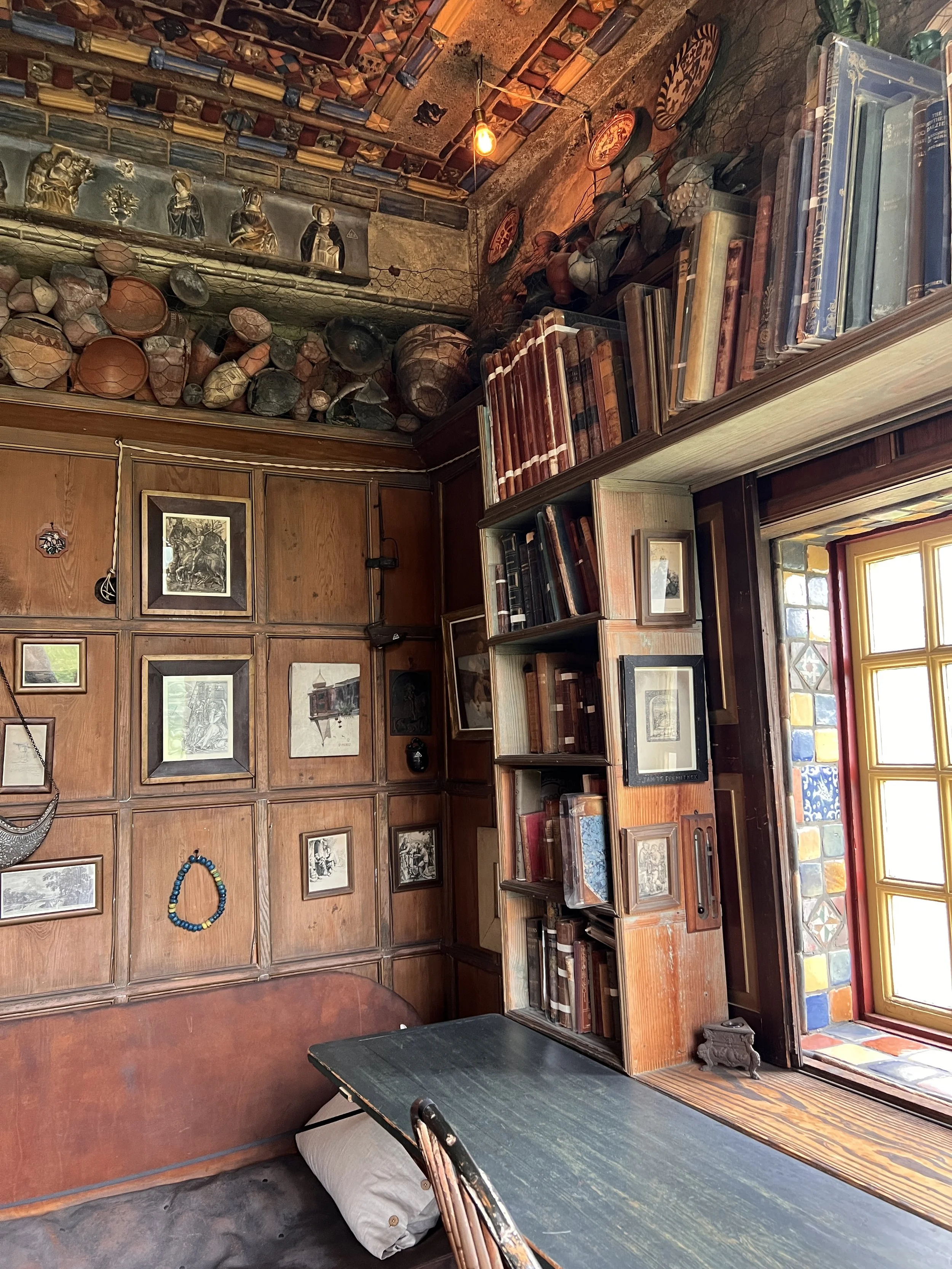
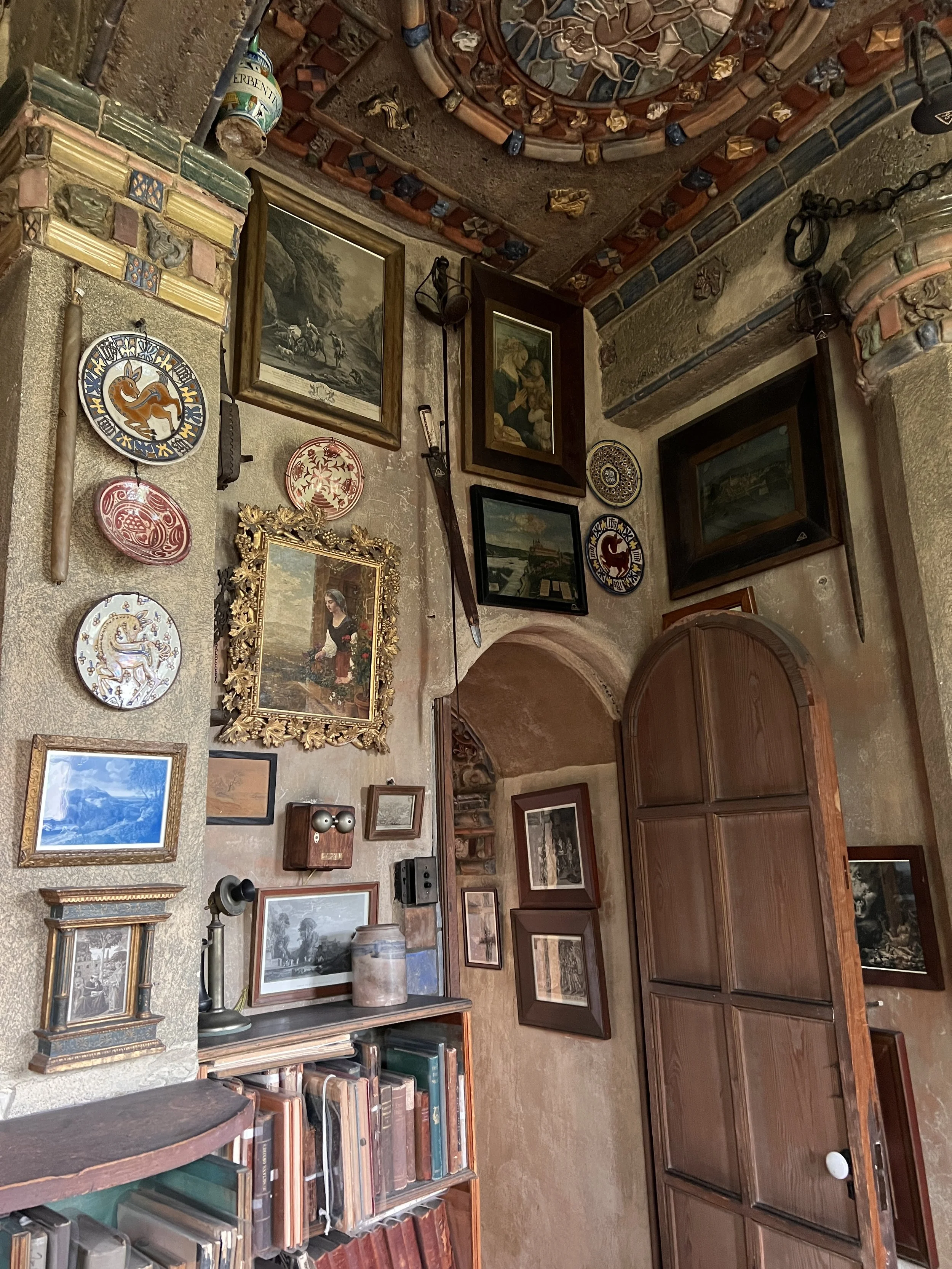
Every room is completely unique. The fireplaces are covered in his own hand-painted tiles. The bookshelves are packed and curated. The ceilings are something else entirely. I went from having zero expectations to taking more photos than I've taken anywhere in recent memory, completely overwhelmed by the colors and the craft and the sheer density of one person's vision made permanent in concrete.
He died a bachelor in the 1930s. He left the house to his housekeeper and business manager with the stipulation that they could live there until they died, after which it would be donated to the Bucks County Historical Society. They honored him so completely that they kept everything exactly as he left it. They lived there until the 1970s. You feel that when you walk in, the sense that the house has been genuinely loved and protected, not just preserved.
And then there's Rollo.
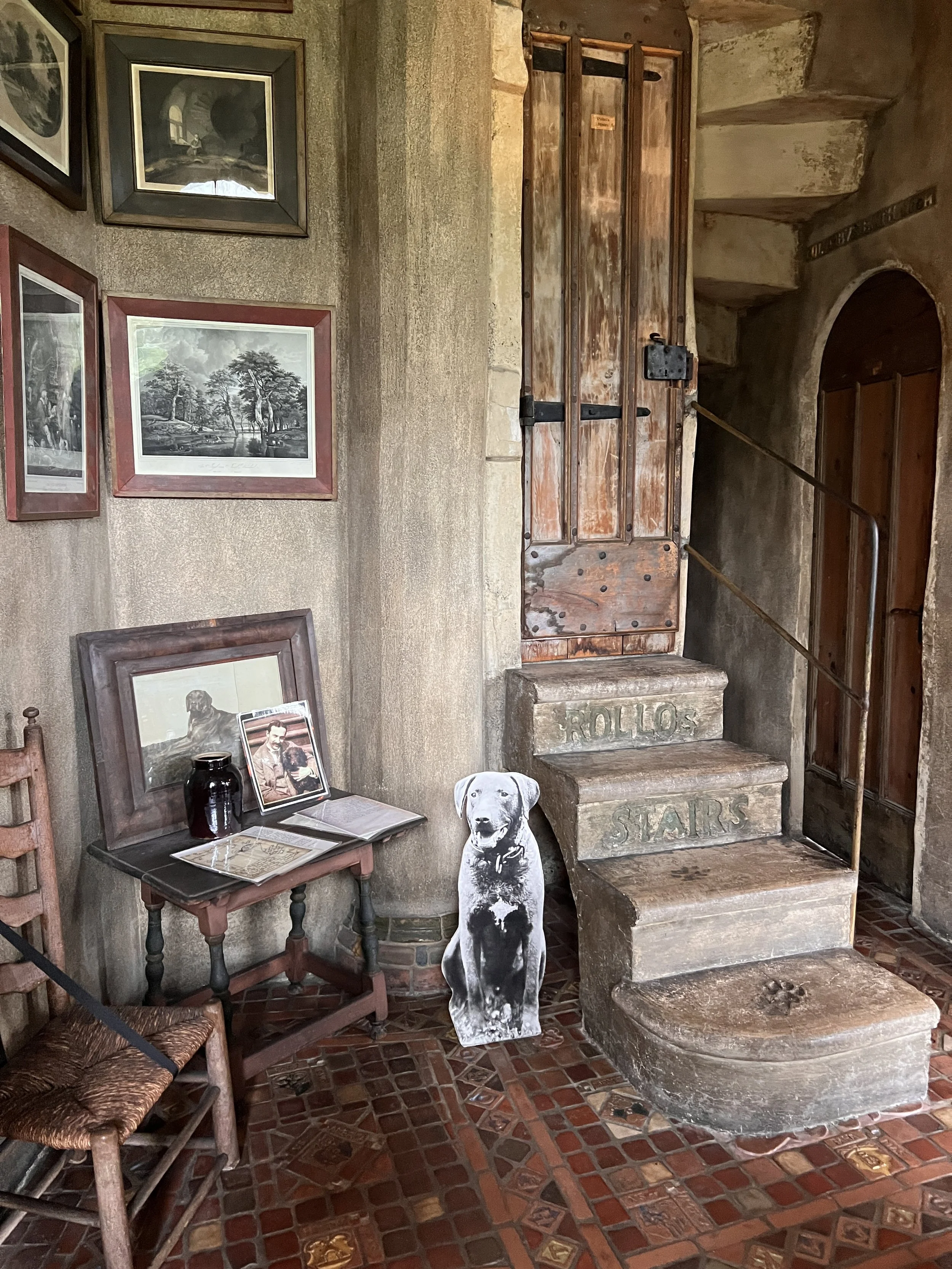
Henry was devoted to his dog. At the base of one of the staircases, Rollo's paw prints are permanently cast into the concrete step. The stairs themselves are labeled Rollo's Stairs. At the pottery shop, that statue and handmade headstone out front, that's for Rollo too. I hadn't known any of this when I first saw it and found myself genuinely misty eyed once the tour guide connected the dots.
This house, this dog, his work, these were his true loves. It shows in every room and it is immensely beautiful.
I came home with three tiles and an entirely new person to be curious about. I'm already planning a return trip to see his tool museum. I've been back on his Wikipedia page more than once since Sunday.
Also, and this is important. He bears an uncanny resemblance to my husband. Make of that what you will.
Have you been to Fonthill? I'd love to know if anyone else has stumbled into this place and felt the same way.